





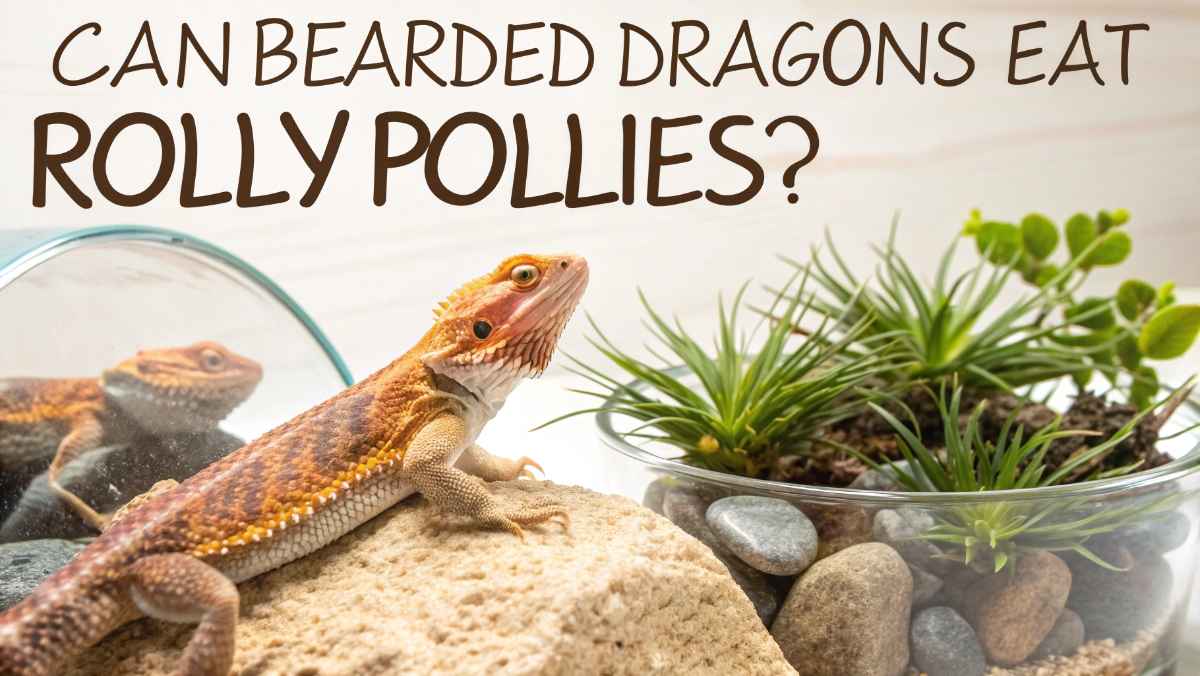
Many bearded dragon owners notice small bugs crawling in the yard or under rocks and wonder if they are safe to feed. Rolly pollies—also called pill bugs or woodlice—are common and easy to find. But easy does not always mean safe.
Yes, bearded dragons can eat a few rolly pollies occasionally, but they should not be a regular food due to hard shells and possible chemical or parasite risks.
This guide explains if bearded dragons can eat rolly pollies, the benefits and risks, how often (if ever) to feed them, and better insect choices for a healthy diet.
What Are Rolly Pollies?
Rolly pollies are small gray bugs that curl into a ball when touched. You often find them in damp places like gardens, under stones, or near wood. Even though many people think they are insects, rolly pollies are actually land crustaceans. Their bodies are covered with a hard shell, which protects them but also makes digestion harder for reptiles.
Common names include:
- Rolly pollies
- Pill bugs
- Woodlice
- Potato bugs
Because they move slowly, bearded dragons may easily catch them. But that does not mean they should eat them often.
Can Bearded Dragons Safely Eat Rolly Pollies?
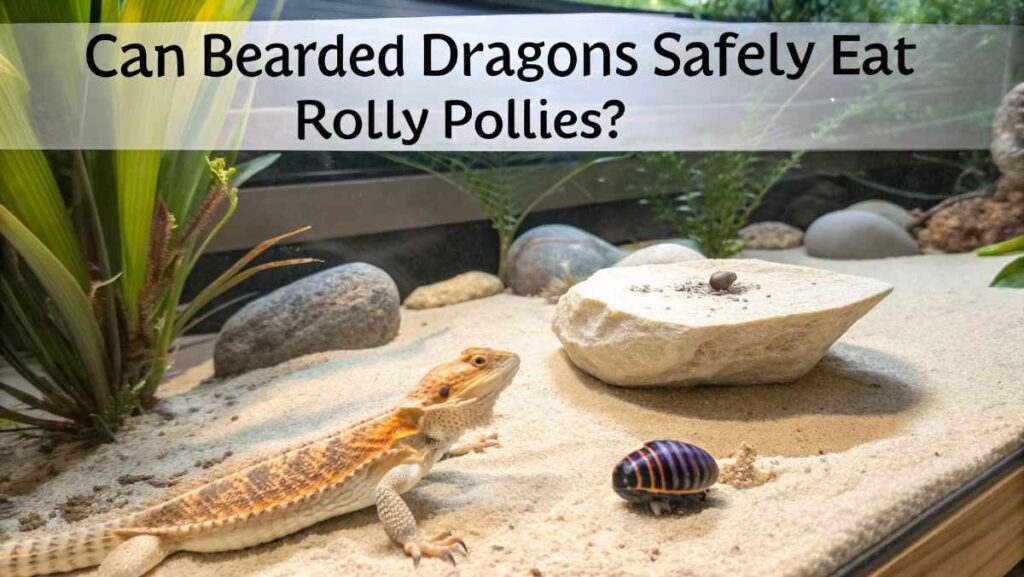
Bearded dragons can eat rolly pollies, but safety depends on how often, where they come from, and the dragon’s age.
- Adult dragons: May eat one occasionally, but it should be rare
- Baby and juvenile dragons: Best to avoid completely
Rolly pollies are not toxic, but they are not ideal feeder insects. There are safer and more nutritious options available.
Nutritional Value of Rolly Pollies
Rolly pollies do offer small amounts of protein and calcium, but the overall nutrition is weak compared to proper feeder insects.
What they provide:
- Low protein
- Small calcium content
- Very little fat
Main problem:
- Hard exoskeleton (shell)
The shell is tough and may not break down easily in the stomach. This increases the risk of digestive issues.
Also Read: How Long Can A Bearded Dragon Go Without Heat – Answer!
Risks of Feeding Rolly Pollies to Bearded Dragons
1. Pesticides and Chemicals (Biggest Risk)
Wild rolly pollies often live in soil treated with:
- Pesticides
- Weed killers
- Fertilizers
These chemicals stay inside the bug. When a bearded dragon eats the bug, the chemicals enter the dragon’s body. Even small amounts can cause health problems over time.
2. Parasites and Bacteria
Rolly pollies feed on decaying matter. This means they can carry:
- Harmful bacteria
- Parasites
- Mold spores
A bearded dragon eating contaminated bugs may develop:
- Diarrhea
- Loss of appetite
- Weakness
3. Hard Shell and Impaction Risk
The shell of a rolly polly is thick and hard. If the shell does not digest properly, it can cause impaction. Impaction is a serious condition where food blocks the digestive tract.
Signs include:
- No bowel movements
- Swollen belly
- Lethargy
- Refusing food
Young dragons are at much higher risk.
Are Wild Rolly Pollies Safe?
No. Wild rolly pollies should never be fed.
Even if they look clean, you cannot see:
- Chemical residue
- Parasites
- Harmful bacteria
Rolly pollies from gardens, lawns, or outdoor soil are unsafe. Feeding wild bugs is one of the most common mistakes new owners make.
Can Baby Bearded Dragons Eat Rolly Pollies?
No. Baby and juvenile bearded dragons should not eat rolly pollies.
Reasons:
- Their digestive system is still developing
- Hard shells increase choking risk
- Higher chance of impaction
Young dragons need soft-bodied, high-protein insects that are easy to digest.
How Often Can Adult Bearded Dragons Eat Rolly Pollies?
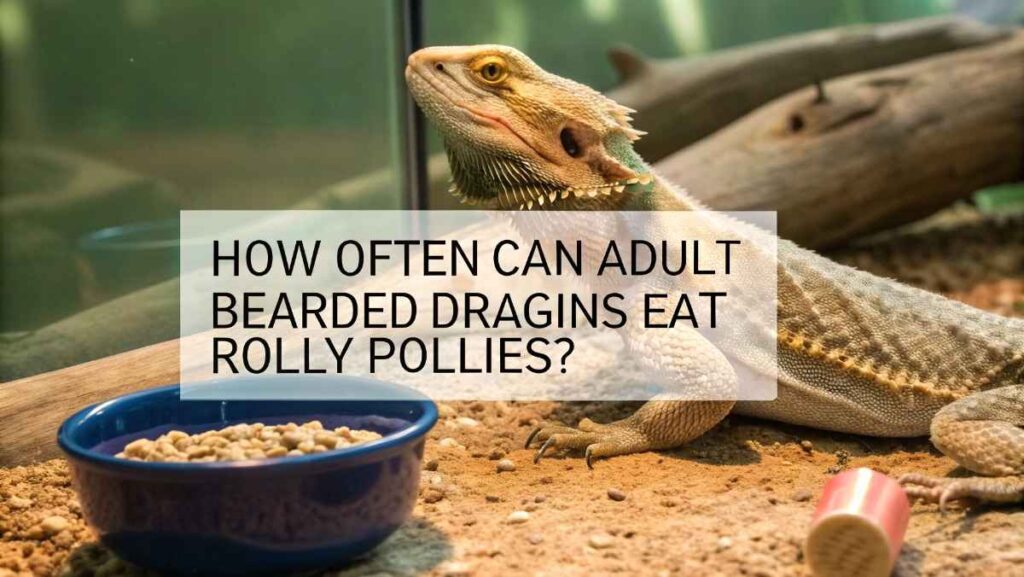
If you decide to offer a rolly polly, follow these strict rules:
- Frequency: Once every few weeks at most
- Quantity: One small rolly polly only
- Source: Captive-bred, chemical-free
- Size: No larger than the space between the dragon’s eyes
Think of rolly pollies as a rare treat, not food.
How to Safely Feed Rolly Pollies (If You Ever Do)
If you ever choose to feed a rolly polly, safety comes first.
Safe feeding steps:
- Use only captive-bred rolly pollies
- Never feed wild-caught bugs
- Feed one at a time
- Watch your dragon for digestion issues
- Do not repeat often
If you notice any unusual behavior after feeding, stop immediately.
Must Read: Do Bearded Dragons Pee – A Beginner’s Complete Guide (2026)
Better and Safer Alternatives to Rolly Pollies
Instead of risking health problems, choose feeder insects that are proven safe and nutritious.
Best feeder insects:
- Dubia roaches
- Crickets
- Silkworms
- Black soldier fly larvae
- Phoenix worms
These insects:
- Are easier to digest
- Have better nutrition
- Are widely used by experienced keepers
Dust feeder insects with calcium and vitamins as needed.
Signs Your Bearded Dragon Didn’t Digest Rolly Pollies Well
After feeding, watch closely for problems.
Warning signs:
- No poop for several days
- Bloated or hard belly
- Weakness or slow movement
- Loss of appetite
If symptoms last more than a day or worsen, contact a reptile vet.
Common Mistakes Owners Make
Avoid these common errors:
- Feeding wild insects
- Feeding rolly pollies too often
- Giving them to baby dragons
- Ignoring early signs of impaction
- Assuming all bugs are safe
Simple mistakes can lead to serious health issues.
Can Bearded Dragons Eat Isopods?
Bearded dragons can eat isopods only once in a while. They are not a good regular food because their hard shells are hard to digest and wild ones may carry chemicals or parasites.
Can Bearded Dragons Eat Earthworms?
Yes, bearded dragons can eat earthworms occasionally. Make sure they are clean, parasite-free, and not too large. Earthworms should be treats, not daily food, because they contain a lot of moisture.
Can Bearded Dragons Eat Ants?
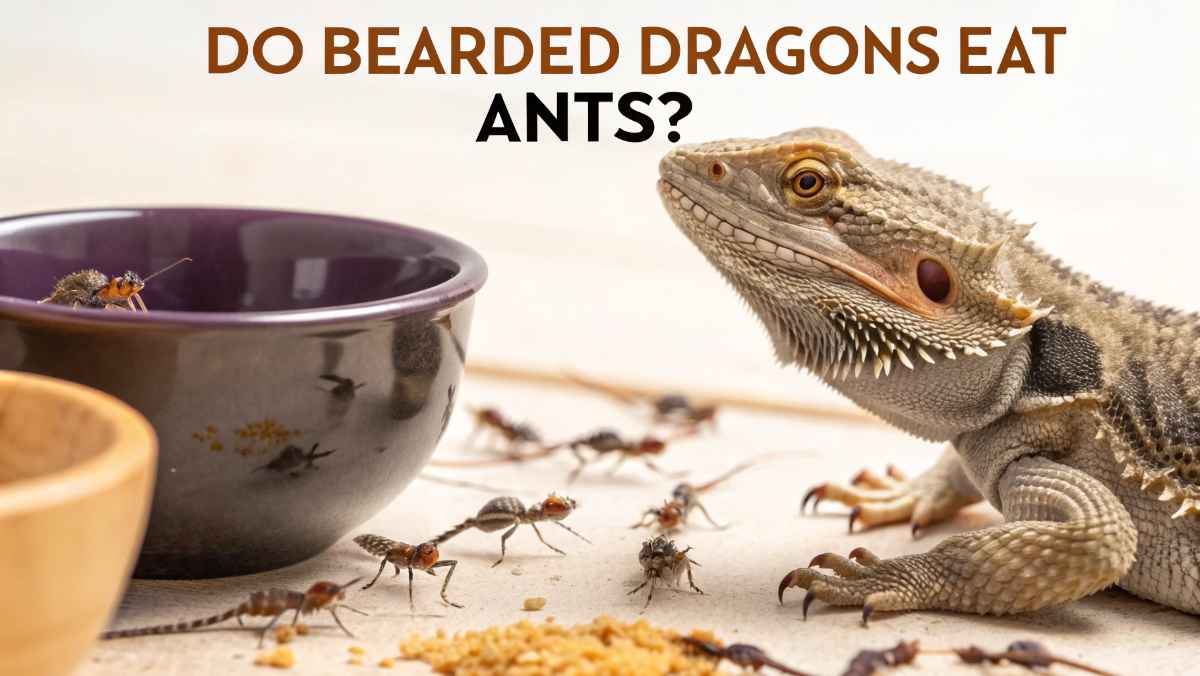
No, ants are not safe for bearded dragons. Some ants bite or sting, and others can cause stomach problems. Ants also provide very little nutrition and should be avoided completely.
Can Bearded Dragons Eat Slugs?
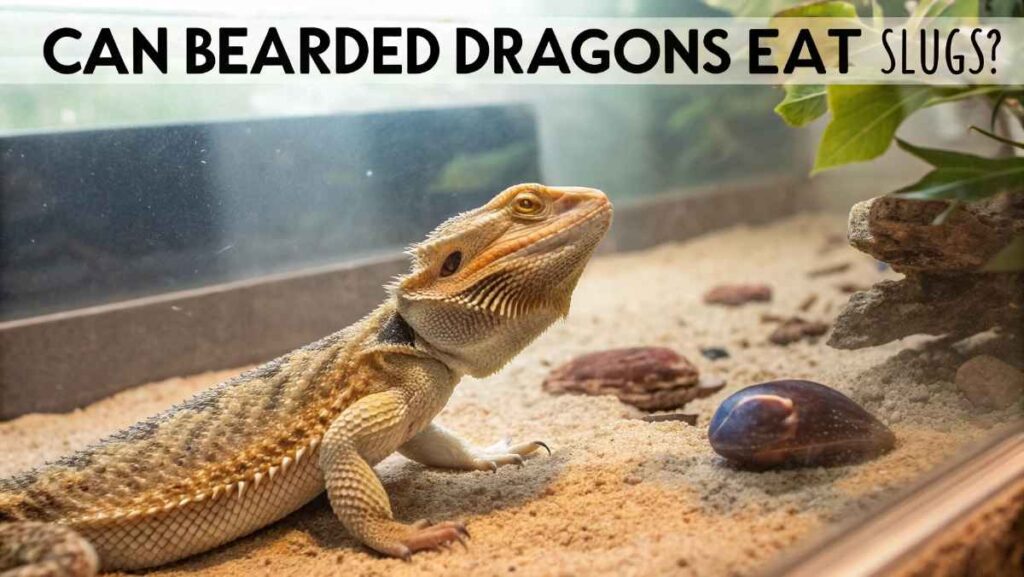
Slugs are not safe for bearded dragons. They can carry parasites, bacteria, and toxins. Slugs are also very slimy and hard to digest, which can cause serious health problems if eaten.
What Can Bearded Dragons Eat?
Bearded dragons eat a mix of insects and vegetables. Safe foods include crickets, dubia roaches, leafy greens, squash, and bell peppers. A balanced diet helps keep them healthy and active.
Can Bearded Dragons Eat Grasshoppers?
Bearded dragons can eat grasshoppers if they are clean and pesticide-free. Wild grasshoppers are risky, so captive-bred ones are safer. Feed them only sometimes because their hard bodies are harder to digest.
Can Bearded Dragons Eat Earwigs?
Earwigs are not safe for bearded dragons. They can bite, carry bacteria, and may contain toxins. Earwigs also do not offer good nutrition and should never be fed to your bearded dragon.
What Do Rolly Pollies Eat?
Rolly pollies eat decaying plants, leaves, wood, and organic waste. They help clean the environment by breaking down dead material, which is also why they may carry bacteria or chemicals from soil.
Is It Safe for My Bearded Dragon to Eat Rollie Pollies?
It is only slightly safe if done very rarely. Rollie pollies have hard shells and wild ones may contain chemicals. They should never be a regular food and are best avoided.
Baby Beardie Ate a Pill or Rollie Pollie Bug From the Yard
If a baby bearded dragon eats one by accident, stay calm. One bug usually won’t cause harm. Watch for signs like bloating or no poop, and avoid wild insects in the future.
Frequently Asked Questions
Do Bearded Dragons Eat Roly Poly?
Yes, bearded dragons may eat a roly poly rarely, but it should not be regular food because of digestion risks.
What Bugs Are Toxic to Bearded Dragons?
Fireflies, ants, wild-caught insects, beetles, and spiders can be toxic and should never be fed to bearded dragons.
Can I Feed Isopods to My Bearded Dragon?
Isopods can be fed very rarely, but they are not ideal due to hard shells and possible parasite risks.
What All Bugs Can My Bearded Dragon Eat?
Bearded dragons can eat crickets, dubia roaches, silkworms, hornworms, and black soldier fly larvae safely.
What Is a Bearded Dragon’s Favorite Bug?
Most bearded dragons love dubia roaches because they are soft, tasty, easy to digest, and very nutritious.
What Is Toxic to Bearded Dragons?
Pesticides, fireflies, avocado, rhubarb, wild insects, and some houseplants are toxic to bearded dragons.
What Is the Most Common Cause of Death in Bearded Dragons?
Poor husbandry, improper heat, bad diet, and impaction are the most common causes of death in bearded dragons.
What Reptiles Eat Pill Bugs?
Some reptiles like skinks, geckos, and small frogs may eat pill bugs occasionally in the wild.
What Insects Can Bearded Dragons Eat Besides Crickets?
Bearded dragons can eat dubia roaches, silkworms, hornworms, mealworms, and black soldier fly larvae.
Can I Feed Pill Bugs Aka Woodlice to My Bearded Dragon?
Pill bugs can be fed very rarely, but wild ones are unsafe and hard shells make digestion difficult.
Final Thoughts
Bearded dragons can eat rolly pollies only in rare cases, and even then, it is not recommended. The risks often outweigh the benefits.
Hard shells, possible chemicals, and parasite exposure make them a poor food choice—especially when safer insects are easy to find.
For a healthy, happy bearded dragon, stick to trusted feeder insects, offer a balanced diet, and avoid feeding wild bugs. When it comes to reptile care, safe choices always win.