







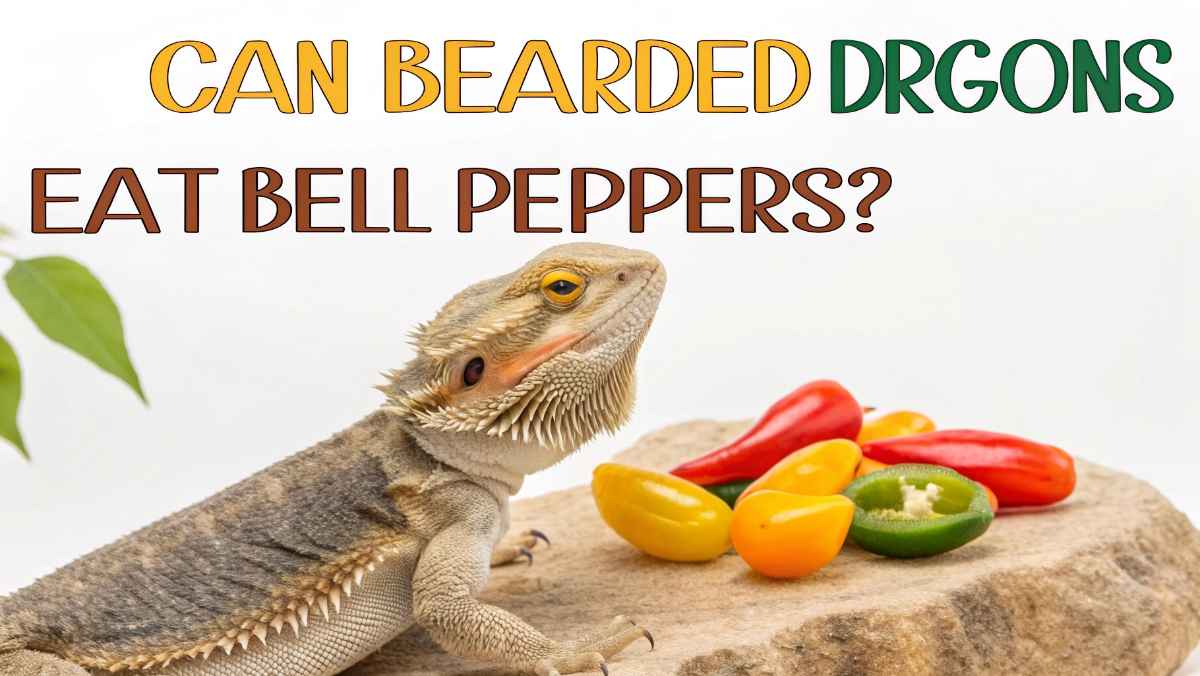
If you keep a bearded dragon, you may wonder if bell peppers are safe to add to their meals. Bell peppers are colorful, crunchy, and full of water, so many owners think they are a healthy choice.
Yes, bearded dragons can eat bell peppers, but only rarely. They are safe, colorful, and high in water, yet should not be fed often or as a staple food.
This guide explains safety, nutrition, risks, how often to feed, and the best way to prepare bell peppers for your bearded dragon.
Are Bell Peppers Safe for Bearded Dragons?
Bell peppers are not toxic to bearded dragons. When they are fresh, raw, and clean, they can be eaten safely. However, safety does not mean they are perfect food. Bell peppers are mostly water and do not give enough calcium, which is very important for a bearded dragon’s bones.
Bell peppers should always be:
- Fresh
- Raw
- Washed well
- Free from pesticides
Never feed cooked bell peppers. Cooking removes nutrients and makes them soft and watery, which can upset digestion.
So yes, bell peppers are safe — but only as an occasional treat, not a regular meal.
Nutritional Value of Bell Peppers

Bell peppers contain some useful nutrients, but they also have weaknesses.
What Bell Peppers Offer
- High water content – helps with hydration
- Vitamin C – supports the immune system
- Vitamin A (from beta-carotene) – helps eyes and skin
- Fiber – helps digestion in small amounts
What Bell Peppers Lack
- Very low calcium
- More phosphorus than calcium
- Some oxalates (can block calcium absorption)
Bearded dragons need foods that are high in calcium and low in phosphorus. Bell peppers do not meet this requirement, which is why they should not be fed often.
Why Bell Peppers Are Not a Daily Food
Many new owners make the mistake of feeding bell peppers too often. Here is why that is a problem:
Low Calcium Levels
Calcium keeps bones strong and prevents serious health problems. Bell peppers do not provide enough calcium, so feeding them often can cause weakness over time.
Poor Calcium-to-Phosphorus Ratio
Too much phosphorus blocks calcium absorption. Bell peppers contain more phosphorus than calcium, which is not ideal.
High Water Content
Bell peppers are about 90% water. Too much watery food can cause:
- Runny poop
- Poor digestion
- Loss of nutrients
Because of these reasons, bell peppers should stay in the “treat” category.
How Often Can Bearded Dragons Eat Bell Peppers?
Bell peppers should be fed occasionally, not regularly.
Safe Feeding Frequency
- Adult bearded dragons: once or twice a month
- Juveniles: rarely
- Babies: best to avoid
Portion Size
- Small pieces only
- Each piece should be smaller than the space between the dragon’s eyes
A few small slices mixed with healthy greens is more than enough.
How to Prepare Bell Peppers for Bearded Dragons
Preparation matters a lot. Feeding bell peppers the wrong way can cause problems.
Step-by-Step Preparation
- Wash the bell pepper very well
- Remove the stem
- Take out all seeds
- Remove the white inner parts
- Cut into very small pieces
- Serve raw only
Never add salt, oil, or spices. Never cook them.
Best Way to Serve
- Mix with calcium-rich greens
- Do not serve alone
- Offer during daytime when digestion is best
Can Bearded Dragons Eat Different Colors of Bell Peppers?

Bell peppers come in many colors, and all of them are safe in small amounts.
Red Bell Peppers
- Highest in vitamin A and vitamin C
- Slightly sweeter
- Best option among bell peppers, but still limited
Green Bell Peppers
- Less nutrients than red
- Safe, but not the best choice
Yellow and Orange Bell Peppers
- Moderate nutrition
- Fine as occasional variety
All colors are safe, but none should be fed often.
Can Baby Bearded Dragons Eat Bell Peppers?
Baby bearded dragons have different needs than adults. They grow fast and need:
- High calcium
- High protein
- Strong nutrition
Bell peppers do not support fast growth. Because of this:
- Babies should not eat bell peppers
- Juveniles should only get a tiny taste, rarely
It is better to focus on insects and calcium-rich greens during early life.
Can Bearded Dragons Eat Bell Pepper Skin?
Yes, the skin is safe to eat, but:
- It must be washed very well
- It should be chopped into small pieces
If the skin feels thick or tough, remove it. Some dragons have trouble chewing it.
Can Bearded Dragons Eat Bell Pepper Seeds?
No. Bell pepper seeds should always be removed.
Seeds:
- Are hard to digest
- Can be a choking risk
- Provide no benefit
Always remove all seeds before feeding.
Can Bearded Dragons Eat Bell Peppers Every Day?
No, bearded dragons should not eat bell peppers every day. Bell peppers are safe but low in calcium and high in water. Feeding them daily can cause runny poop and poor nutrition. Offer them only occasionally as a treat.
Bell Peppers vs Other Peppers
This is very important.
Bell Peppers
- Mild
- Not spicy
- Safe in small amounts
Hot or Spicy Peppers
- Chili peppers
- Jalapeños
- Any spicy pepper
These are NOT safe. Spicy peppers can burn the mouth and stomach and cause serious pain.
Only bell peppers are acceptable, and only occasionally.
Signs Your Bearded Dragon Ate Too Much Bell Pepper
If your bearded dragon eats too much bell pepper, you may notice:
- Runny or watery poop
- Less appetite
- Mild stomach discomfort
If this happens:
- Stop feeding bell peppers
- Offer normal greens
- Make sure basking temperature is correct
Symptoms usually improve within a day or two.
Healthier Alternatives to Bell Peppers

Instead of bell peppers, focus on vegetables that are better for daily feeding.
Better Daily Greens
- Collard greens
- Mustard greens
- Turnip greens
- Dandelion greens
Better Occasional Vegetables
- Squash
- Zucchini
- Carrots (small amounts)
These options provide more calcium and better balance than bell peppers.
Common Feeding Mistakes to Avoid
Many owners make these mistakes:
- Feeding bell peppers too often
- Feeding large chunks
- Feeding cooked peppers
- Feeding peppers alone
- Not washing produce
Avoiding these mistakes keeps your bearded dragon healthy.
Can Bearded Dragons Eat Carrots?
Yes, bearded dragons can eat carrots, but only in small amounts. Carrots have vitamin A and fiber, but too much can be harmful. Serve raw, finely chopped carrots once in a while, not every day.
Can Bearded Dragons Eat Broccoli?
Bearded dragons can eat broccoli, but very rarely. Broccoli contains goitrogens that may affect health if fed often. Small pieces once in a while are okay, but it should never be a regular vegetable in their diet.
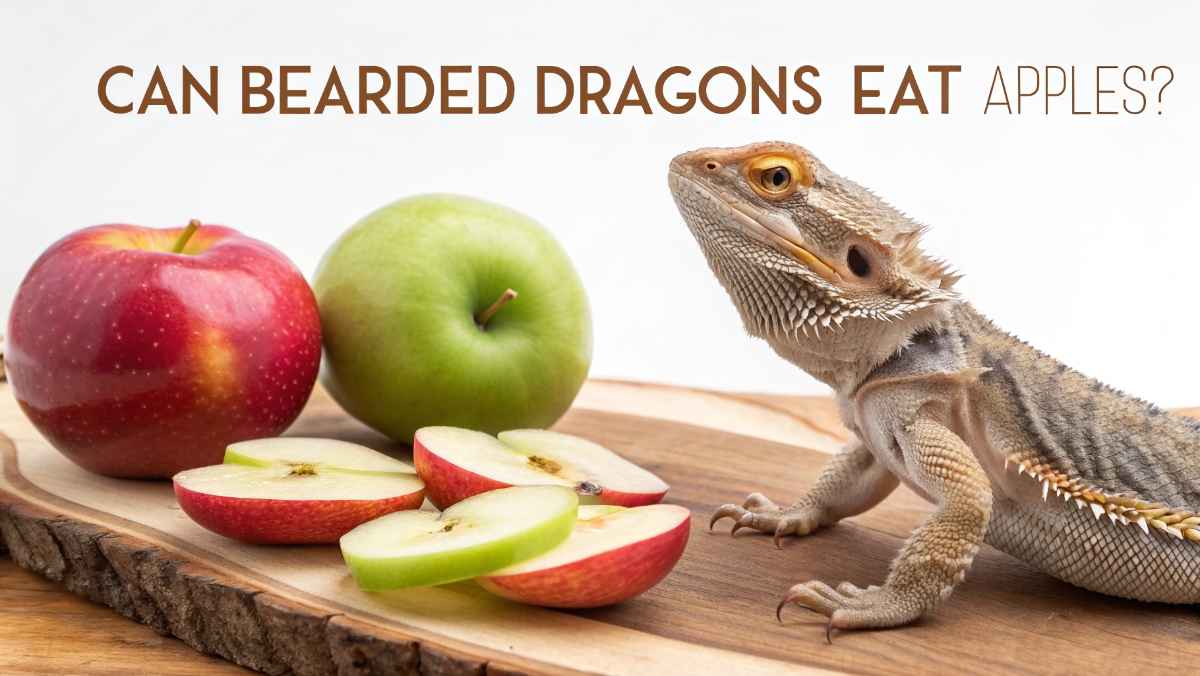
Can Bearded Dragons Eat Apples?
Yes, bearded dragons can eat apples as an occasional treat. Apples are sweet and high in water but low in calcium. Always remove the seeds and skin, and serve small pieces only once in a while.
Can Bearded Dragons Eat Celery?
Bearded dragons can eat celery, but it is not very healthy. Celery has lots of water and little nutrition. It can also be stringy and hard to chew. If fed, chop very small and offer rarely.
Frequently Asked Questions
What Color Bell Pepper Can Bearded Dragons Eat?
Bearded dragons can eat red, yellow, orange, and green bell peppers, but only occasionally and always in small pieces safely.
What Vegetables Are Not Good for Bearded Dragons?
Vegetables not good for bearded dragons include spinach, rhubarb, avocado, onion, garlic, and iceberg lettuce because they harm health badly.
How Much Bell Pepper Is Too Much for a Dragon?
Too much bell pepper means large portions or frequent feeding, which can cause runny stools, poor nutrition, and calcium imbalance.
What Is a Bearded Dragon’s Favorite Snack?
Many bearded dragons love insects like dubia roaches or crickets, as they are tasty, moving snacks dragons enjoy most often.
What Veggies Can Bearded Dragons Eat Every Day?
Bearded dragons can eat collard greens, mustard greens, turnip greens, and dandelion greens every day for best health overall support.
What Is the Most Common Cause of Death in Bearded Dragons?
The most common cause of death in bearded dragons is poor husbandry, including wrong lighting, diet, and temperatures long-term care.
Are Carrots Good for Bearded Dragons?
Carrots are okay for bearded dragons in small amounts, but too much vitamin A can cause problems over time slowly.
Are Sweet Peppers the Same as Bell Peppers?
Yes, sweet peppers and bell peppers are the same vegetable, just different names used in some places around the world.
Can Bearded Dragons Eat Cucumber?
Yes, bearded dragons can eat cucumber sometimes, but it is mostly water and should not be fed often alone daily.
Are Bell Peppers Bad for Bearded Dragons?
Bell peppers are not bad for bearded dragons, but they should be fed rarely and never daily as staples foods.
Final Verdict
Bearded dragons can eat bell peppers, but they should only be given once in a while. Bell peppers provide hydration and some vitamins, but they are low in calcium and not suitable as a staple food. When fed raw, clean, seed-free, and in small pieces, bell peppers are safe as an occasional treat.
If you focus on calcium-rich greens and proper feeding habits, your bearded dragon will stay healthy, active, and strong.