







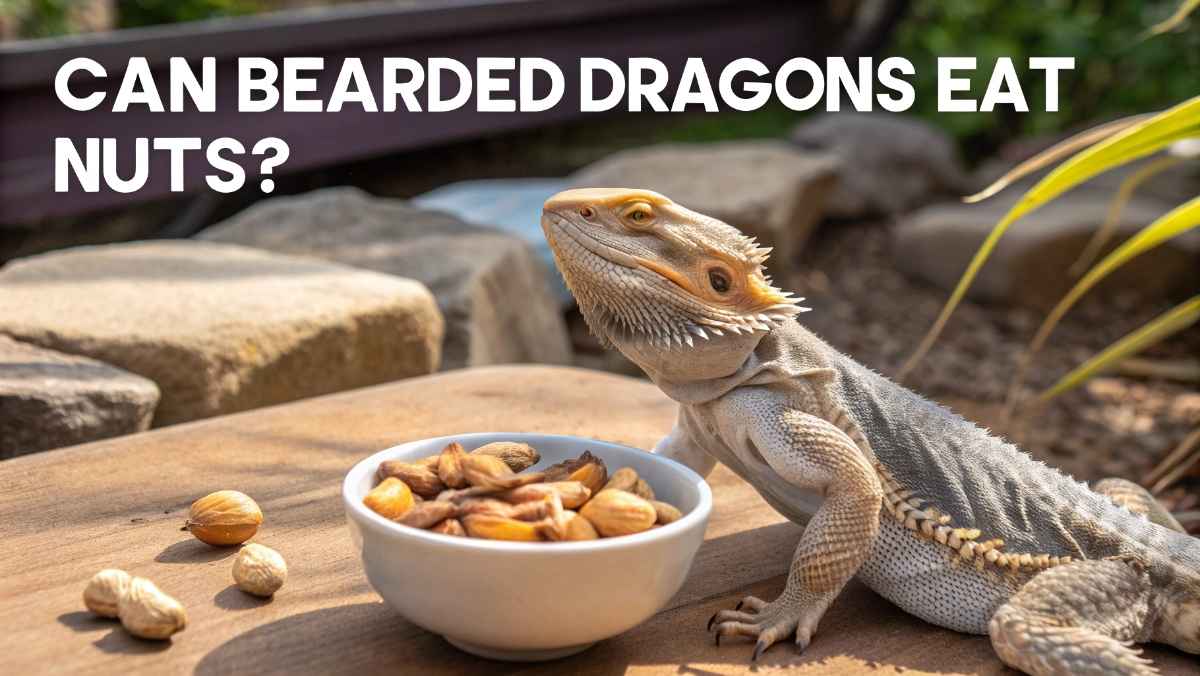
Bearded dragons are popular pets because they are calm, friendly, and interesting to watch. Many owners like to give their reptiles different foods as treats. Sometimes people wonder if nuts are safe for their bearded dragon. Since nuts are common snacks for humans, it is natural to ask if reptiles can eat them too.
Bearded dragons can eat plain, unsalted nuts like peanuts, but they shouldn’t. Nuts are high in fat and not suitable for their diet, so avoid feeding them regularly.
In this guide, you will learn why nuts are unsafe, what may happen if a bearded dragon eats them, and which foods are better choices.
Can Bearded Dragons Eat Nuts?
Bearded dragons should not eat nuts. Although nuts are healthy for humans, they are not suitable for reptiles like bearded dragons.
Nuts contain large amounts of fat, phosphorus, and dense plant material that reptiles cannot easily digest. A bearded dragon’s body is built to process insects, vegetables, and some fruits. Nuts do not fit naturally into their diet.
Another problem is the hard texture of nuts. Many nuts are dry and tough. A bearded dragon may struggle to chew them properly. This can create a choking risk or cause digestion problems.
Even small pieces of nuts are not recommended. While a tiny accidental bite may not always cause immediate harm, feeding nuts regularly can lead to health issues over time.
For these reasons, it is best to keep nuts completely out of your bearded dragon’s diet.
Why Nuts Are Not Safe for Bearded Dragons
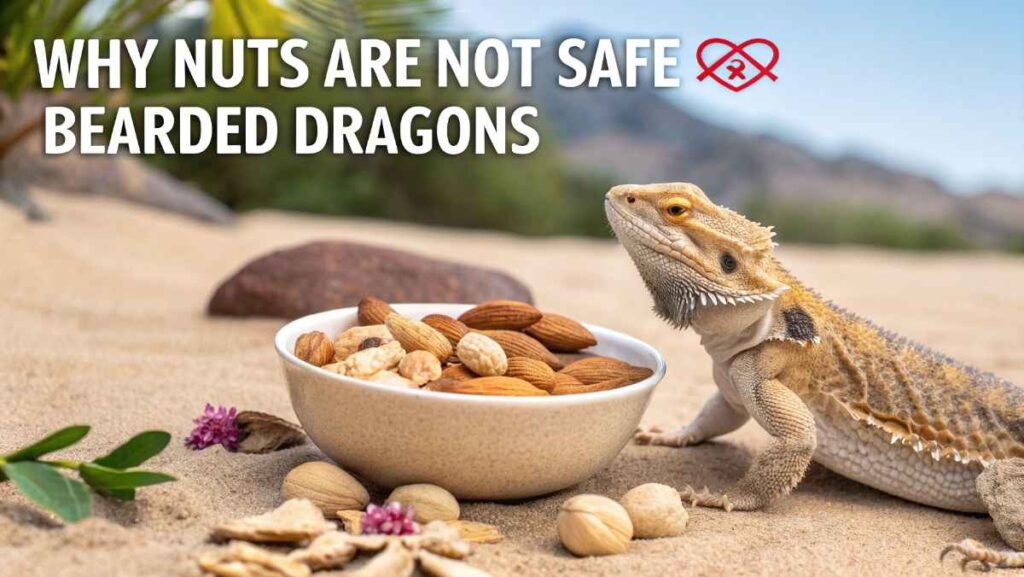
Several factors make nuts a poor food choice for bearded dragons. Understanding these risks can help you protect your pet’s health.
High Fat Content
Nuts are known for being high in fat. While some fat is necessary for animals, too much fat can be harmful.
Bearded dragons naturally eat foods that are lower in fat, such as insects and leafy greens. Their bodies are not designed to handle large amounts of fatty foods.
If a bearded dragon eats fatty foods often, it may lead to:
- Weight gain
- Fat buildup in the liver
- Reduced activity
- General health problems
Over time, too much fat can make your bearded dragon unhealthy and shorten its lifespan.
Poor Calcium to Phosphorus Ratio
Calcium is extremely important for bearded dragons. It helps build strong bones and supports proper body functions.
Reptiles need a good balance between calcium and phosphorus. When a food contains too much phosphorus, it can stop the body from absorbing calcium properly.
Most nuts contain high phosphorus and low calcium. This imbalance can cause serious health issues in reptiles.
One of the biggest concerns is metabolic bone disease, a condition where bones become weak and soft due to poor calcium levels. This disease can lead to deformities, weakness, and difficulty moving.
Because nuts disturb the calcium balance, they are not suitable for bearded dragons.
Choking and Impaction Risk
Another reason nuts are unsafe is their hard and dense texture.
Bearded dragons do not chew food the same way humans do. They usually swallow food after only a little crushing with their jaws. Hard foods can be difficult for them to break down.
Large or hard pieces of nuts may cause choking. Even if the nut is swallowed, it may not digest properly.
Sometimes this leads to impaction, which happens when food blocks the digestive system. Impaction can cause symptoms such as:
- Loss of appetite
- Lack of energy
- Swollen belly
- Difficulty passing waste
Impaction can become dangerous if not treated quickly. Because nuts increase this risk, they should not be offered to bearded dragons.
Types of Nuts and Their Risks
Different types of nuts are commonly eaten by people. However, they all share similar problems when it comes to reptile diets. Below are examples of common nuts and why they are not suitable for bearded dragons.
Can Bearded Dragons Eat Almonds?
Almonds are high in fat and phosphorus. They also have a very hard texture, which makes them difficult to chew and digest.
Because of these reasons, almonds are not safe for bearded dragons and should not be given as food.
Can Bearded Dragons Eat Peanuts?
Peanuts are another food that should be avoided. They contain large amounts of fat and are difficult for reptiles to digest.
In addition, peanuts sometimes carry mold toxins if they are stored improperly. These toxins can be harmful to animals.
Because of the fat content and possible contamination, peanuts are not recommended for bearded dragons.
Can Bearded Dragons Eat Walnuts?
Walnuts are extremely high in fat. Even small portions can provide more fat than a bearded dragon’s body needs.
Regular consumption could quickly lead to weight problems and other health issues. Walnuts should never be included in a bearded dragon’s diet.
Can Bearded Dragons Eat Cashews?
Cashews are softer than some other nuts, but they still contain too much fat and phosphorus. Their nutritional balance is not suitable for reptiles.
Even though they may seem easier to chew, cashews should still be avoided.
What Happens If a Bearded Dragon Eats Nuts?
If a bearded dragon accidentally eats a small piece of a nut, it does not always mean something serious will happen right away. Many reptiles may pass the food without major problems.
However, there are still risks.
Possible problems include:
- Mild stomach discomfort
- Difficulty digesting the food
- Reduced appetite
- Constipation
If larger pieces are swallowed, the risk of impaction becomes higher. In such cases, the bearded dragon may show signs like tiredness, swelling in the stomach, or trouble passing waste.
If you notice unusual behavior after your pet eats something unsafe, it is best to monitor it closely and seek advice from a reptile veterinarian if symptoms appear.
The safest approach is always prevention. Avoid feeding foods that may cause harm.
What Foods Should Bearded Dragons Eat Instead?

Instead of nuts, bearded dragons should eat foods that match their natural diet. A healthy diet includes vegetables, insects, and small amounts of fruit.
Safe Vegetables
Vegetables are an important part of a bearded dragon’s daily diet. Many leafy greens provide vitamins, minerals, and fiber.
Good vegetable options include:
- Collard greens
- Mustard greens
- Turnip greens
- Squash
- Bell peppers
- Dandelion greens
These vegetables support digestion and help keep your pet healthy.
Safe Fruits (Occasional Treats)
Fruits can be offered as occasional treats. They contain natural sugars, so they should only be given in small amounts.
Safe fruits include:
- Blueberries
- Mango
- Papaya
- Apple without seeds
- Melon
Fruit should not be given every day. Once or twice a week is usually enough.
Protein Sources
Protein is especially important for young bearded dragons. Insects provide essential nutrients and energy.
Common insect foods include:
- Crickets
- Dubia roaches
- Mealworms (occasionally)
- Black soldier fly larvae
- Locusts
Always make sure insects are the right size for your bearded dragon.
Foods Bearded Dragons Should Never Eat
Just like nuts, some other foods are dangerous for bearded dragons. It is important to avoid feeding these items.
Examples of foods that should never be given include:
- Avocado
- Onion
- Garlic
- Fireflies
- Chocolate
- Processed human snacks
- Dairy products
Many of these foods contain chemicals or nutrients that reptiles cannot handle safely.
Always research new foods before offering them to your pet.
How to Build a Healthy Diet for a Bearded Dragon
A balanced diet helps your bearded dragon stay active and healthy.
The diet changes slightly as the dragon grows.
Diet for Young Bearded Dragons
Young dragons need more protein for growth. Their diet usually includes:
- About 70–80% insects
- 20–30% vegetables
Feeding insects several times a day helps support proper development.
Diet for Adult Bearded Dragons
Adult dragons need more vegetables and fewer insects.
A common feeding balance is:
- 70–80% vegetables
- 20–30% insects
This diet helps prevent obesity and keeps adult dragons healthy.
Importance of Calcium Supplements
Calcium is very important for reptiles. Many owners dust insects with calcium powder before feeding them.
This helps support strong bones and prevents calcium deficiency.
Proper lighting is also necessary. Bearded dragons need UVB light to absorb calcium effectively.
Can Bearded Dragons Eat Nuts Everyday
No, bearded dragons should not eat nuts every day. Nuts contain too much fat and phosphorus for reptiles. Eating them often may cause digestion problems and calcium imbalance. It is safer to avoid nuts and focus on insects, vegetables, and occasional fruit.
Can Bearded Dragons Eat Nuts Seeds
Bearded dragons should not eat nuts or most seeds. These foods are hard, high in fat, and difficult to digest. Seeds can also cause choking or stomach problems. Instead, offer leafy greens, safe vegetables, and insects that match their natural diet.
Can Bearded Dragons Eat Raisins
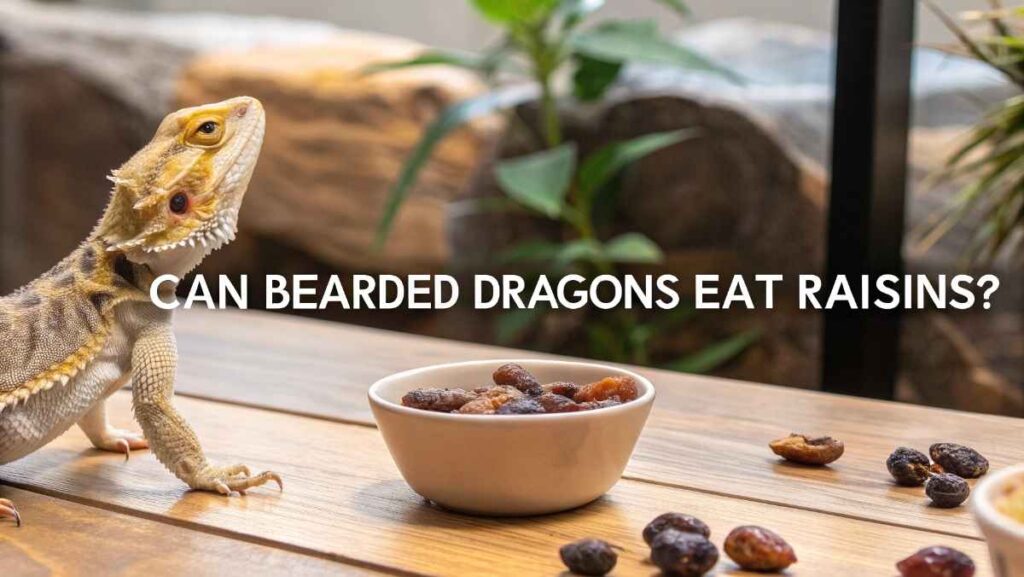
Bearded dragons can eat raisins occasionally, but they are not the best choice. Raisins contain a lot of sugar and can stick to teeth. Too many may cause stomach upset. Fresh fruits like blueberries or mango are usually better options.
Can Bearded Dragons Eat Peanut Butter
Bearded dragons should not eat peanut butter. It is very high in fat and sticky, which makes it hard to digest. Peanut butter also contains ingredients that reptiles do not need. It is better to feed natural foods like insects and fresh vegetables.
What Can Bearded Dragons Eat
Bearded dragons eat a mix of insects, vegetables, and small amounts of fruit. Good foods include crickets, dubia roaches, collard greens, squash, and bell peppers. Fruits like blueberries can be offered as treats. A balanced diet keeps them healthy.
Can Bearded Dragons Eat Tomatoes
Bearded dragons can eat small amounts of tomato occasionally. Tomatoes contain vitamins but are also acidic. Too much may upset their stomach. If offered, give tiny pieces and not very often. Vegetables like squash or greens are healthier choices.
Can Bearded Dragons Eat Oranges
Bearded dragons should not eat oranges. Oranges are very acidic and contain a lot of sugar. This can irritate their stomach and upset digestion. Safer fruit options include blueberries, papaya, or mango, which are gentler on their digestive system.
FAQs
What is toxic to a bearded dragon?
Some foods are toxic to bearded dragons, including avocado, onion, garlic, and fireflies. These can cause serious health problems and should always be avoided.
Do bearded dragons recognize their owners?
Yes, bearded dragons can recognize their owners. They often learn voices, movements, and feeding routines, and may become calm when familiar people approach.
Can bearded dragons have nuts?
Bearded dragons should not eat nuts. Nuts contain too much fat and phosphorus, which can harm digestion and affect their calcium balance.
How fast can a bearded dragon run?
A healthy bearded dragon can run surprisingly fast for short distances. They may reach speeds around nine miles per hour.
What are some safe daily foods for bearded dragons?
Safe daily foods include collard greens, mustard greens, squash, bell peppers, and insects like crickets or dubia roaches for balanced nutrition.
What are some safe daily foods for bearded dragons?
Bearded dragons can safely eat leafy greens, squash, and bell peppers daily. Insects such as crickets or roaches provide healthy protein.
How to feed bearded dragon fruits and vegetables?
Wash fruits and vegetables well, cut them into small pieces, and offer them fresh. Fruits should be occasional treats, not daily food.
What vegies are good to be a staple diet for bearded dragons?
Good staple vegetables include collard greens, mustard greens, dandelion greens, and squash. These provide important vitamins and support healthy digestion.
Should bearded dragons be fed live food?
Yes, bearded dragons should eat live insects like crickets or roaches. Live food provides protein and encourages natural hunting behavior.
What shouldn’t you feed bearded dragons?
Avoid feeding avocado, onion, garlic, chocolate, dairy products, and nuts. These foods can cause digestive problems or serious health issues.
Final Thoughts
Bearded dragons should not eat nuts. Although nuts are nutritious for people, they contain too much fat and phosphorus for reptiles. Their hard texture also makes them difficult to chew and digest.
Feeding nuts may lead to problems such as digestion issues, obesity, and calcium imbalance. Because of these risks, it is safest to avoid them completely.
Instead, focus on foods that support your bearded dragon’s natural diet. Leafy greens, healthy vegetables, insects, and small amounts of fruit are much better choices.
By providing proper nutrition, you can help your bearded dragon live a long and healthy life.