





Leopard geckos are fun and easy pets, but feeding them the right food is very important. Many owners ask, can leopard geckos eat isopods?
Leopard geckos can eat isopods, but they are not recommended as a main food. They are too small and should only be an occasional treat.
In this guide, you will learn if they are safe, how often to feed them, and better food options for your gecko.
Are Isopods Safe for Leopard Geckos?
Isopods are generally safe for leopard geckos. They are not toxic and are often found in natural environments. If your gecko eats one, it usually will not cause harm.
However, safety depends on a few things. First, the isopods should come from a clean and safe source. Wild isopods may carry harmful bacteria or parasites. Second, you should avoid feeding too many at once.
In simple terms, isopods are safe when used carefully and in small amounts.
Do Leopard Geckos Like Eating Isopods?
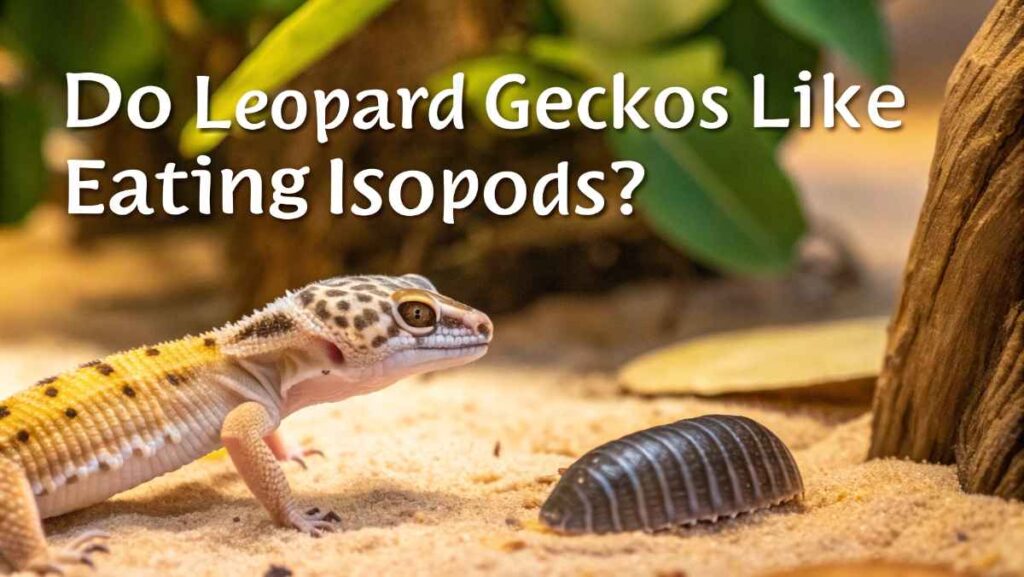
Not all leopard geckos like isopods. In fact, many geckos refuse to eat them. This is mainly because of their hard outer shell.
Leopard geckos prefer soft-bodied insects like worms and roaches. Isopods feel crunchy, which may not attract them. Some geckos may try one and then ignore them completely.
Every gecko is different. One might eat isopods without any problem, while another may never touch them.
Nutritional Value of Isopods
Benefits
Isopods do have some good points. They are rich in calcium, which helps keep your gecko’s bones strong. Adding a little variety to your gecko’s diet can also be helpful.
Downsides
Even though they contain calcium, isopods are not a complete food. They do not have enough protein compared to other feeder insects. They also contain a high amount of “ash,” which does not provide real nutrition. Because of this, isopods should never replace staple foods like crickets or dubia roaches.
Risks of Feeding Isopods
There are a few risks you should know before feeding isopods to your leopard gecko. Some species of isopods can bite, especially if they are hungry. While this is rare, it can still happen, especially with larger or more aggressive types.
Their hard shell can also make digestion a little difficult, especially for younger geckos. Feeding too many may cause stomach problems.
Another risk is feeding wild-caught isopods. These may carry chemicals, pesticides, or parasites that can harm your gecko. To stay safe, always use clean, captive-bred isopods and offer them in small amounts.
How Often Can Leopard Geckos Eat Isopods?
Leopard geckos should only eat isopods occasionally. They are not suitable for daily feeding. You can offer isopods once in a while as a treat, but they should not be a regular part of the diet.
Feeding them too often can lead to poor nutrition. A healthy diet should mainly include insects that are high in protein and easy to digest.
Best Way to Feed Isopods
If you decide to feed isopods, do it the right way to keep your gecko safe. Start by offering just one or two isopods at a time. Watch your gecko’s reaction. If it shows interest and eats them, you can continue occasionally.
Make sure the isopods are small and easy to handle. Large ones may be too hard or difficult to eat. It is also a good idea to feed your gecko its regular food first.
Isopods should only be an extra treat, not the main meal. Always observe your gecko after feeding to make sure there are no problems.
Are Isopods Better as Food or Cleanup Crew?
Isopods are actually more useful as part of a bioactive tank than as food. In bioactive setups, isopods act as a cleanup crew. They eat waste, leftover food, and decaying matter. This helps keep the enclosure clean and healthy.
Because of this, many reptile owners keep isopods in the tank not to feed them, but to improve the environment. So, while they can be eaten, their real value is in maintaining a clean habitat.
Best Insects for Leopard Geckos (Better Alternatives)
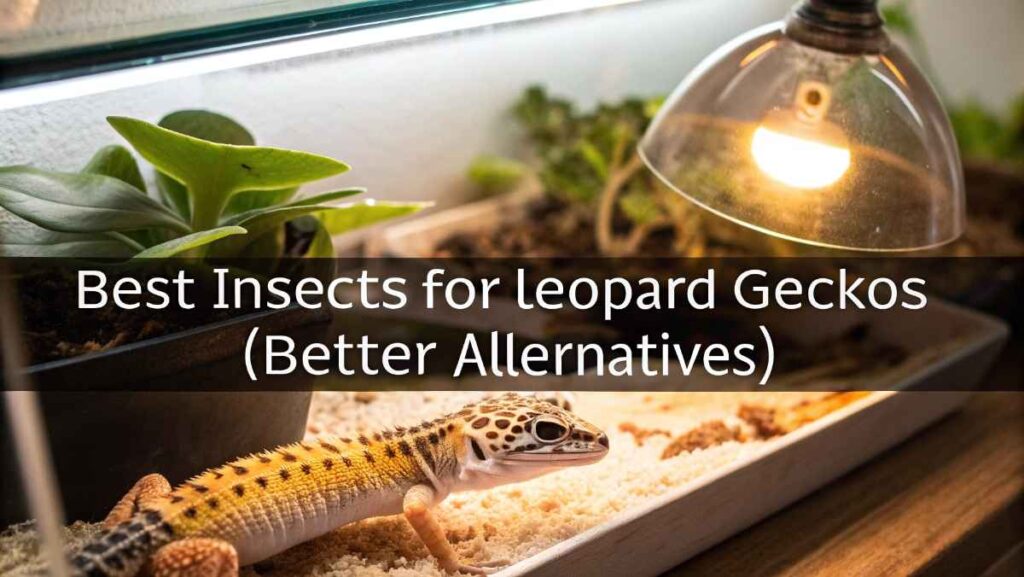
If you want your leopard gecko to stay healthy, focus on better feeder insects.
Crickets are a popular choice and provide good protein. Dubia roaches are another excellent option and are easy to digest. Mealworms can also be used, but they should be given in moderation.
These insects provide more balanced nutrition compared to isopods. It is always better to choose foods that support your gecko’s growth and energy needs.
Signs Your Gecko Doesn’t Like Isopods
It is easy to tell if your leopard gecko does not like isopods.
If your gecko ignores them completely, it means it is not interested. Some geckos may look at the isopod but refuse to eat it.
Others might try to eat one and then spit it out. This can happen if the texture feels wrong.
If your gecko shows no hunting behavior or walks away, it is best not to force it. Simply stick to foods your gecko enjoys.
Can Leopard Geckos Eat Springtails
Leopard geckos usually do not eat springtails because they are very tiny. Springtails are safe but too small to be real food. They are better as cleanup insects in the tank than as part of your gecko’s diet.
Can Leopard Geckos Eat Dairy Cow Isopods
Leopard geckos can eat dairy cow isopods, but it is not always safe. These isopods can sometimes bite. It is better to avoid feeding them and use safer, softer insects for your gecko’s regular meals.
Isopods for Leopard Gecko Bioactive
Isopods are great for bioactive tanks. They help clean waste, leftover food, and mold. This keeps the enclosure fresh and healthy. They are more useful as cleaners than food, making your gecko’s environment safer and easier to maintain.
Do Crested Geckos Eat Isopods
Crested geckos may eat isopods if they find them, but it is not common. Their main diet is fruit mixes and soft insects. Isopods are not needed and should only be eaten by chance, not as regular food.
Can Bearded Dragons Eat Isopods
Bearded dragons can eat isopods, but they are not a great food choice. They are small and not very nutritious. It is better to feed insects like crickets or roaches that provide more protein and better nutrition.
Best Isopods for Leopard Gecko
The best isopods for leopard geckos are small, soft, and non-aggressive types like powder orange or powder blue. These are safer if eaten. Still, they should be used mainly for cleaning, not as a main food source.
FAQs
Can my pet eat isopods?
Yes, your pet can eat isopods sometimes. They are safe in small amounts, but not good as regular food. Use them only as an occasional treat.
Any risk of geckos eating isopods in a tank?
There is a small risk. Some isopods may bite, and too many can cause digestion problems. Always keep their number low and monitor your gecko.
Can scaber isopods be safely kept with leopard geckos?
Porcellio scaber can live in the tank, but be careful. They may bite if hungry. Keep them well-fed and avoid large numbers around your gecko.
Can my leopard gecko eat rolly pollies?
Yes, leopard geckos can eat rolly pollies sometimes. They are safe, but too small and not very nutritious. Offer only as a rare treat.
Can geckos hear you?
Yes, geckos can hear sounds, but not like humans. They notice vibrations and low sounds. Loud noise can stress them, so keep their environment calm.
What insects can leopard geckos not eat?
Leopard geckos should not eat fireflies, wild insects, or anything toxic. Avoid bugs with hard shells, bright colors, or unknown sources to keep them safe.
Can isopods hurt my gecko?
Most isopods are harmless, but some types can bite. This is rare, but possible. Keep only safe species and avoid overcrowding in your gecko’s tank.
What food is toxic to leopard geckos?
Leopard geckos should not eat fruits, vegetables, or insects like fireflies. These can be toxic. Always feed safe insects like crickets or roaches instead.
Can leopard geckos eat isopods every day?
No, leopard geckos should not eat isopods every day. They are not a complete food and should only be given as an occasional treat.
Can baby leopard geckos eat isopods?
It is not recommended to feed isopods to baby leopard geckos. Their hard shell can be difficult to digest.
Conclusion
Feeding your leopard gecko the right food is very important for its health. While isopods are safe in small amounts, they should not be a main part of the diet.
Focus on high-quality feeder insects and use isopods only as a rare treat or as part of a clean, bioactive setup. Keeping your gecko’s diet simple and balanced will help it live a long and healthy life.