







If you keep a bearded dragon, you want their home to be safe, comfortable, and as natural as possible. Many owners like adding live plants to the enclosure, and pothos is often one of the first plants they consider.
Pothos is often used in reptile tanks, but it should not be eaten by bearded dragons. It may cause mouth or stomach irritation, so safer plants are better.
That’s why it’s important to know whether pothos is truly safe. Before placing this plant in your dragon’s enclosure, let’s clearly understand the risks and safer choices.
What Is a Pothos Plant?
Pothos is a common green houseplant with heart-shaped leaves. You may also hear it called golden pothos or devil’s ivy. It grows fast, survives low light, and does not need much care.
Because pothos is tough and flexible, many reptile keepers use it in enclosures. It can climb, trail, and make a tank look more natural. It also helps keep humidity a bit higher.
However, just because a plant looks nice does not mean it is safe to eat.
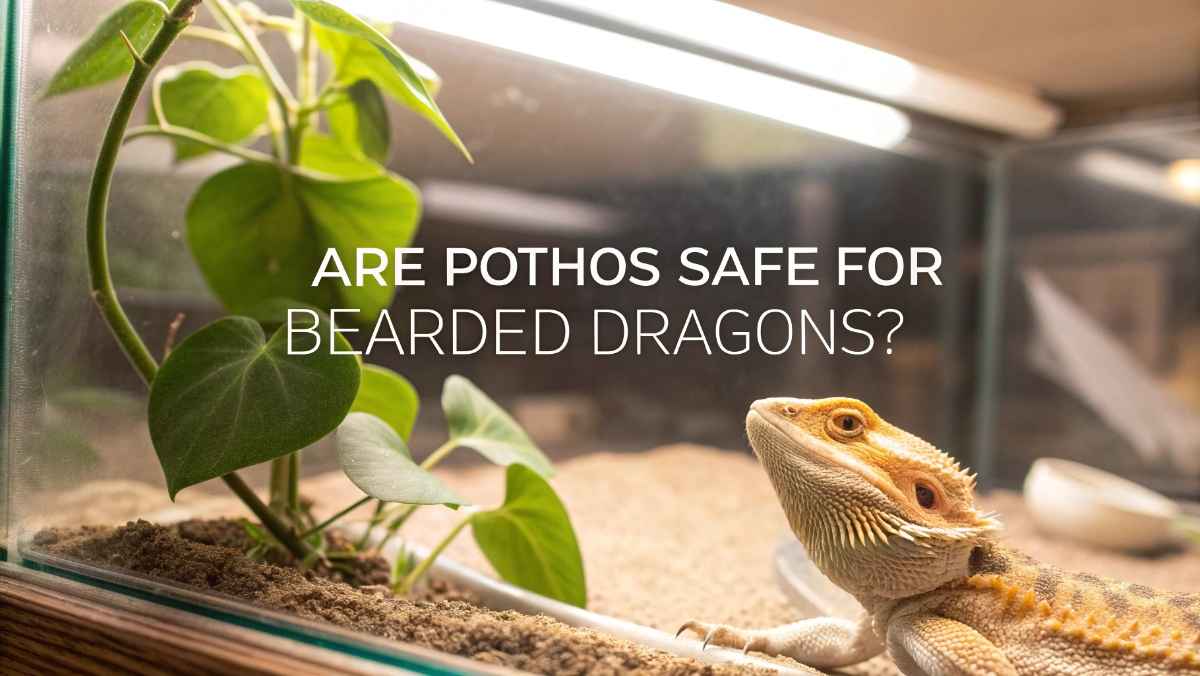
Are Pothos Safe for Bearded Dragons?
Pothos is not considered safe as food for bearded dragons.
The plant contains tiny sharp substances called calcium oxalate crystals. These crystals can cause irritation when chewed or swallowed. Even small bites may hurt the mouth, tongue, or throat.
Some owners say their bearded dragon touched or tasted pothos and seemed fine. That does not mean it is safe. Every reptile reacts differently, and problems may not show right away.
Bottom line:
- ❌ Not safe to feed
- ⚠️ Risky if chewed
- ✅ Sometimes used only as decoration with caution
Why Pothos Can Be Harmful If Eaten
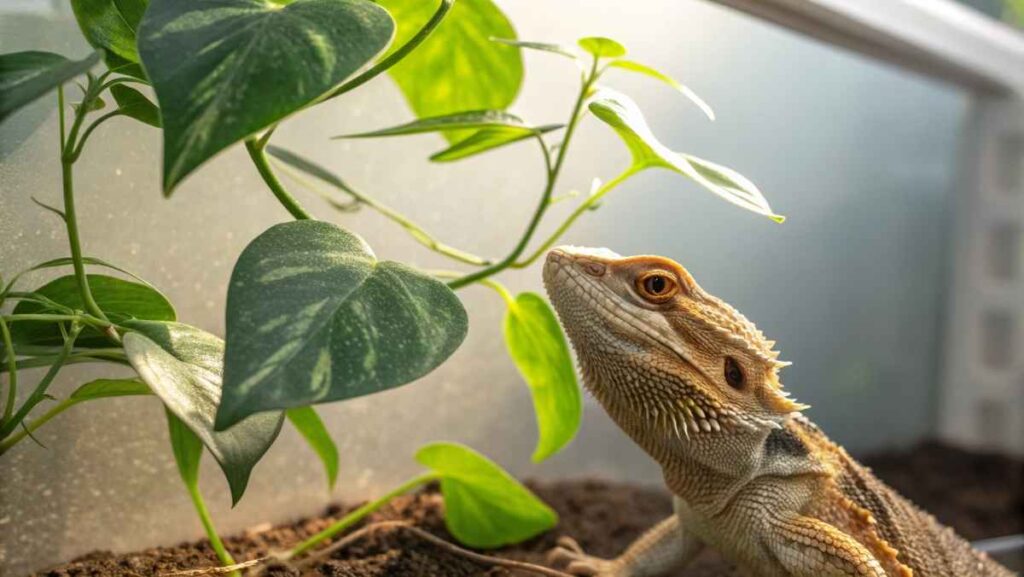
Pothos leaves contain calcium oxalate crystals. These are needle-like structures inside the plant tissue. When an animal bites the leaf, the crystals can release and cause pain.
For bearded dragons, this can lead to:
- Mouth irritation
- Swelling of lips or tongue
- Drooling or foaming
- Trouble eating
- Stomach upset
Bearded dragons have sensitive digestive systems. Even plants that are only “mildly toxic” can cause stress or discomfort.
Can Pothos Be Used as a Decorative Plant?
Some keepers use pothos only as a decorative plant, not food. In many cases, bearded dragons ignore it. If the plant is placed carefully, it may be used safely for looks only.
However, there is always a risk. Bearded dragons are curious. They may bite plants by mistake or when bored.
If you choose to use pothos for decoration:
- Keep it out of easy reach
- Watch your dragon closely
- Remove the plant if chewing starts
Using pothos is a personal choice, but safer options are always better.
What Happens If a Bearded Dragon Eats Pothos?
If your bearded dragon eats pothos, do not panic. In most cases, it is not deadly, but it can still cause problems.
Possible signs include:
- Red or swollen mouth
- Excess saliva
- Loss of appetite
- Diarrhea
- Lethargy
These signs may appear within a few hours. If symptoms are mild, your dragon may recover on their own. If symptoms are strong or last longer than a day, contact a reptile vet.
Never try home treatments without advice.
Is Pothos Toxic to Reptiles or Just Mammals?
Most plant toxicity information is based on mammals like cats and dogs. Reptiles are different, and there is limited research on how pothos affects them.
That is why experts recommend playing it safe. Just because a plant is “not proven deadly” does not mean it is safe.
For bearded dragons:
- Unknown risk = better avoided
- Irritation is still harm
- Safer plants are available
When it comes to pets, caution is always the smarter choice.
Why Bearded Dragons Should Not Eat Random Plants
In the wild, bearded dragons eat specific plants and insects. Their bodies are made to handle certain foods, not random houseplants.
Many houseplants:
- Are not part of their natural diet
- Contain chemicals for pest defense
- Can block calcium absorption
- Cause digestive stress
Even if a plant looks harmless, it may cause long-term health issues.
Safe Live Plant Alternatives for Bearded Dragons
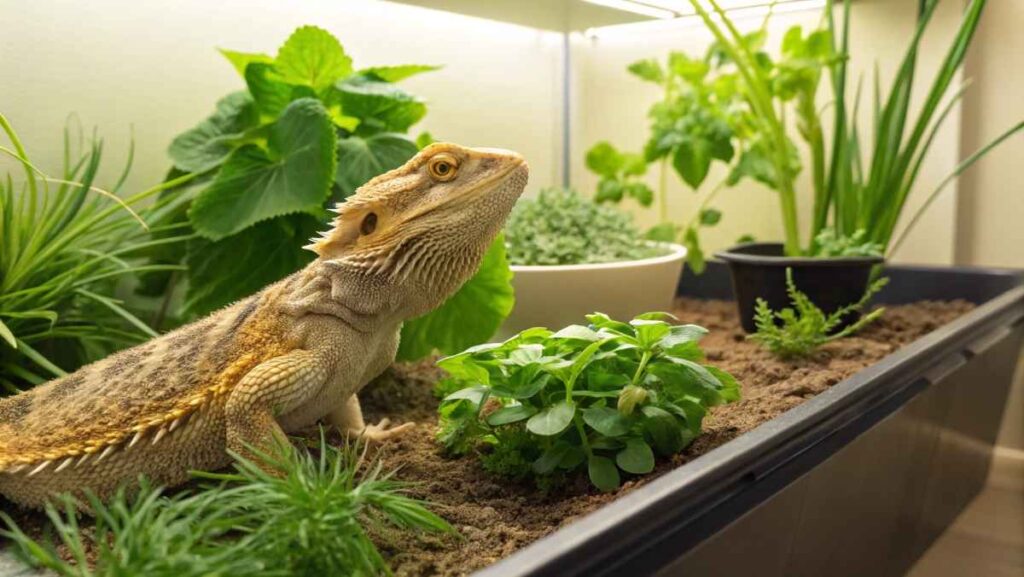
Instead of pothos, choose plants that are known to be safe and edible. These options are better for both looks and health.
Edible and Safe Plants
- Collard greens
- Dandelion greens
- Mustard greens
- Turnip greens
- Hibiscus leaves and flowers
- Basil
These plants provide nutrients and do not irritate the mouth or stomach.
Why These Are Better
- Safe to chew
- Natural for bearded dragons
- Provide vitamins and moisture
- Reduce health risks
Fake Plants vs Live Plants
Some owners prefer fake plants to avoid risk. This can be a good option if chosen carefully.
Fake Plant Tips
- Use reptile-safe materials
- Avoid sharp edges
- Clean regularly
- Check for loose parts
Fake plants remove the risk of poisoning but do not offer nutrition. Live edible plants give both safety and enrichment.
How to Safely Add Plants to a Bearded Dragon Enclosure
If you add any plant, safety steps are important.
Before Adding a Plant
- Wash thoroughly with plain water
- Remove all soil with fertilizers
- Rinse leaves well
- Check plant safety from reliable sources
After Adding
- Watch your dragon daily
- Look for chewing signs
- Remove the plant if unsure
Good observation can prevent many problems.
Common Myths About Pothos and Bearded Dragons
Myth 1: “My dragon ate it and was fine.”
Some dragons show no immediate reaction. That does not mean it is safe for all.
Myth 2: “It’s only toxic to cats and dogs.”
Reptiles process toxins differently. Irritation still matters.
Myth 3: “A little bite won’t hurt.”
Even small amounts can cause mouth pain.
Are Pothos Safe For Bearded Dragons To Eat
Pothos is not safe for bearded dragons to eat. The leaves can irritate their mouth and stomach. Some people use it only for decoration, but eating it is not recommended.
Plants Safe For Bearded Dragons
Safe plants for bearded dragons include collard greens, dandelion greens, mustard greens, basil, and hibiscus. These plants are gentle on digestion and can be eaten safely as part of a balanced diet.
Is Spider Plant Safe For Bearded Dragons
Spider plants are generally considered safe for bearded dragons. If eaten in small amounts, they usually do not cause harm. Still, they should not replace proper greens and should be offered carefully.
Are Snake Plants Safe For Bearded Dragons
Snake plants are not safe for bearded dragons. They contain toxic substances that can cause stomach problems if eaten. It is best to keep snake plants out of bearded dragon enclosures.
Is Aloe Safe For Bearded Dragons
Aloe is not safe for bearded dragons to eat. The gel and sap can upset their stomach and cause diarrhea. Aloe should be avoided as a food or enclosure plant.
How To Put Live Plants In Bearded Dragon Tank
Wash plants well with clean water before adding them to the tank. Remove fertilizer soil, use safe substrate, and watch your bearded dragon to make sure they do not chew unsafe plants.
Plants For Bearded Dragons
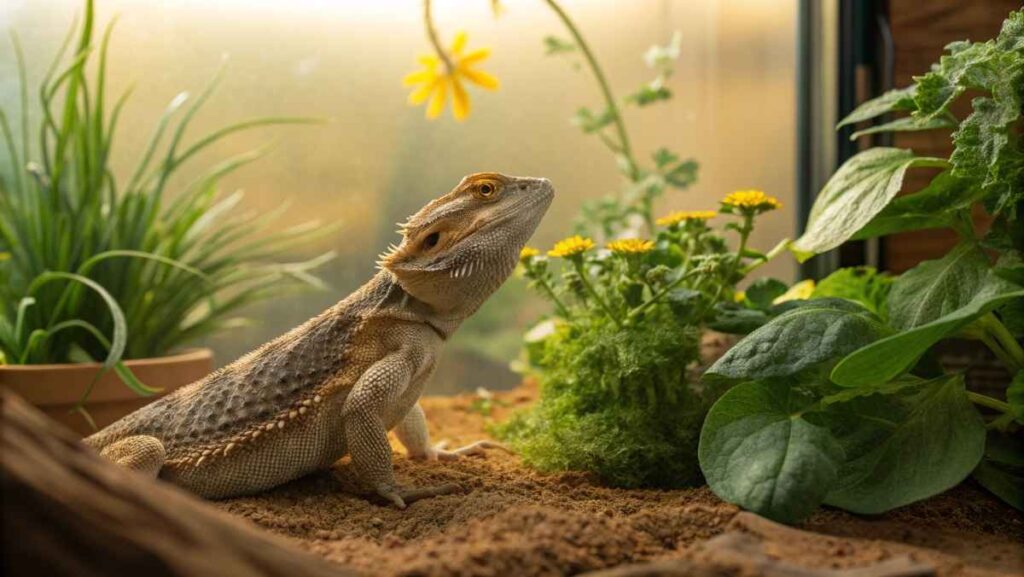
The best plants for bearded dragons are edible greens and sturdy herbs. Choose plants that are safe to eat, easy to clean, and free from chemicals to support good health.
Toxic Plants For Bearded Dragons
Toxic plants for bearded dragons include pothos, snake plant, aloe, peace lily, and ivy. These plants can cause mouth irritation or stomach issues and should never be placed in their enclosure.
Sturdy Plants Safe For Bearded Dragon Tanks
Sturdy and safer plant options include hibiscus, spider plant, and edible greens grown in pots. These plants handle heat well and are less likely to cause harm if your dragon nibbles them.
FAQs
Can I put pothos in my bearded dragon enclosure?
You can place pothos as decoration only, but keep it out of reach because chewing leaves may irritate mouths badly.
What plants can you put in with a bearded dragon?
Safe plants include collard greens, dandelion, mustard greens, hibiscus, basil, and spider plants, washed well before use inside the enclosure.
Is pothos toxic to lizards?
Pothos contains irritating crystals and is considered mildly toxic to many lizards, especially if leaves are eaten by curious pets.
What is the most common cause of death in bearded dragons?
Poor husbandry, including incorrect temperatures, diet mistakes, dehydration, and untreated illness, is the most common cause of death in captivity.
What plants are toxic for bearded dragons?
Toxic plants include pothos, snake plant, aloe, peace lily, ivy, and many common decorative houseplants that cause irritation or poisoning.
Do pothos do well in a terrarium?
Pothos grows well in terrariums because it tolerates heat, low light, and humidity, but safety concerns remain for reptiles inside.
My bearded dragon ate a part of a Pothos leaf. Will he be okay?
Most bearded dragons are okay after small bites, but watch for mouth irritation, drooling, or appetite changes over the day.
I gave my bearded dragon 3 Pothos leaves, will he be ok?
Giving pothos leaves is not recommended; monitor closely for symptoms and contact a reptile vet if issues appear quickly today.
Can pothos be used as greenery in bearded dragon enclosures?
Pothos can be used as greenery only if secured, cleaned, and kept out of reach to prevent chewing accidents happening.
Is it safe for a bearded dragon to eat a pothos leaf?
It is not safe for a bearded dragon to eat pothos leaves due to irritation risk inside the mouth stomach.
Final Verdict: Should You Use Pothos?
Pothos may be popular, but popularity does not equal safety. For bearded dragons, pothos is not a safe food plant and can cause irritation if eaten.
Some owners use it only for decoration, but safer choices exist. When your pet’s health is involved, it is always better to choose plants that are known to be safe.
Best advice:
If your bearded dragon can reach it, do not use pothos. Choose edible greens or safe alternatives instead.
Your bearded dragon depends on you to make the right choices—and safer plants mean a happier, healthier pet.