






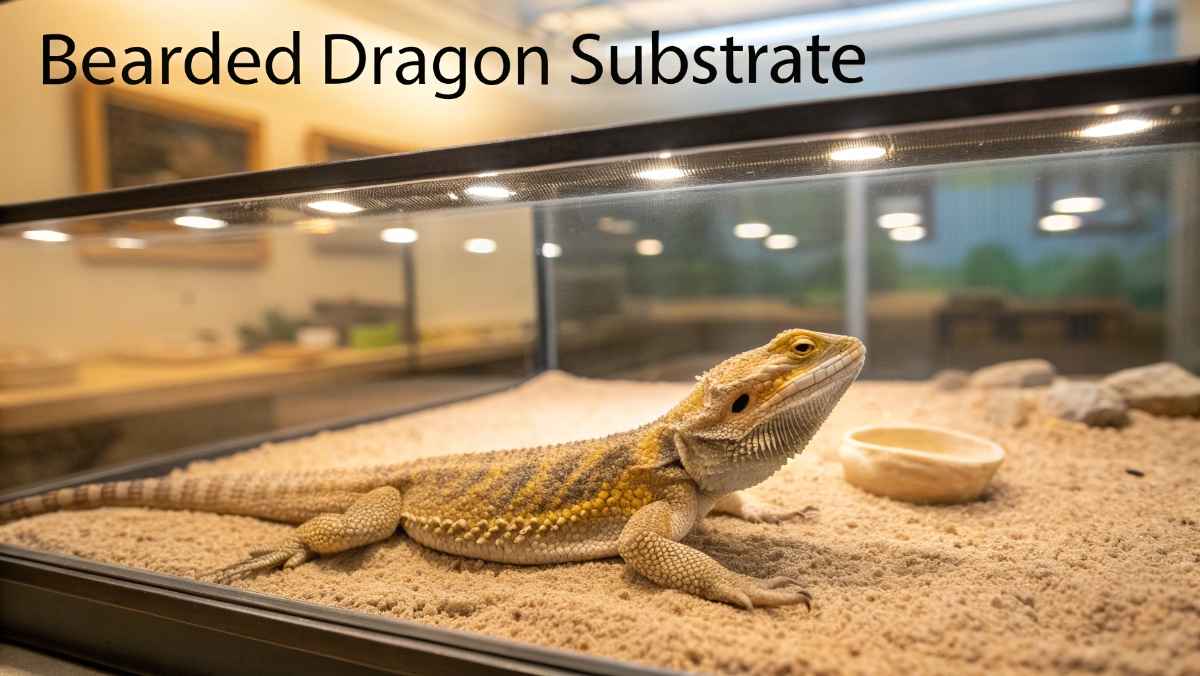
Choosing the right substrate for a bearded dragon is not just about how the enclosure looks. It directly affects your pet’s health, comfort, and daily behavior.
Bearded dragon substrate options include tile, liner, or DIY mixes like sand, soil, and clay. Beginners should choose non-particulate substrates for safety.
In this guide, you will learn what substrate is, why it matters, and which options are safe or unsafe. Everything is explained in easy language so you can make the best choice for your bearded dragon.
What Is Substrate for Bearded Dragons?
Substrate is the bedding or floor covering inside a bearded dragon’s tank. It is the surface your dragon walks, rests, and sometimes digs on every day.
A good substrate should:
- Be safe if accidentally licked or touched
- Be easy to clean
- Support normal movement
- Not cause stress or injury
A bad substrate can lead to infections, stomach blockages, bad smells, and hard cleaning work.
Why Choosing the Right Substrate Is Important
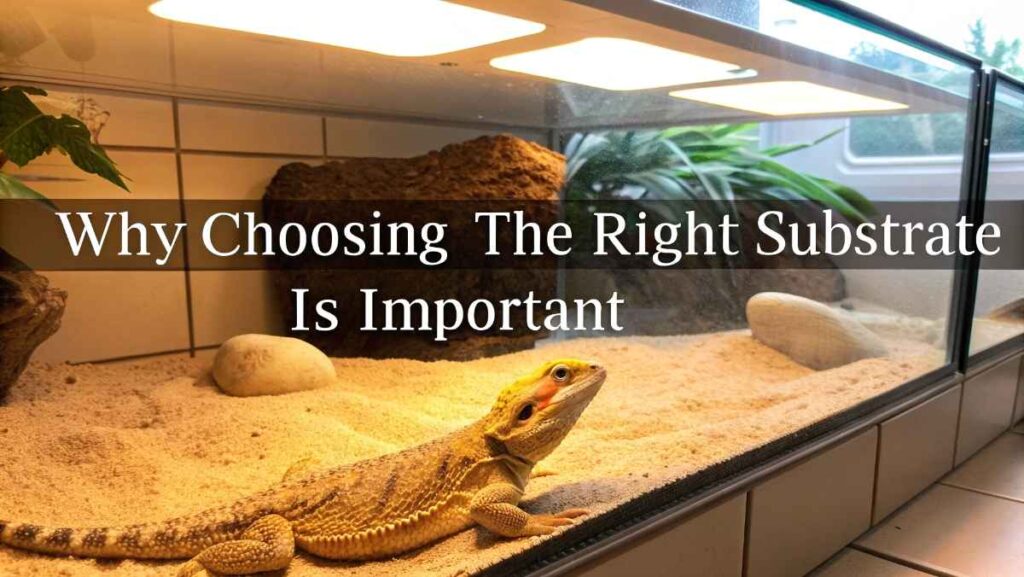
Substrate affects your bearded dragon’s health more than many owners think.
Main reasons substrate matters:
- Prevents impaction: Some loose materials can be swallowed and block the stomach.
- Keeps the tank clean: Easy-to-clean surfaces reduce bacteria.
- Supports natural behavior: Adult dragons like to dig and explore.
- Protects joints and feet: Rough or sticky surfaces can hurt toes.
- Reduces stress: A comfortable setup helps your dragon feel safe.
The right substrate makes daily care easier and keeps your pet healthier long-term.
Best Bearded Dragon Substrate Options
There is no single “perfect” substrate for every bearded dragon. The best choice depends on age, health, and your experience level.
Solid Substrates (Safest Choice)
Solid substrates do not have loose particles. These are the safest and most popular options, especially for young dragons.
Ceramic or Slate Tile
Tile is one of the best substrates available.
Benefits:
- Cannot be eaten
- Very easy to clean
- Helps keep nails short
- Long-lasting
Downsides:
- No digging
- Can feel hard without proper heating
Tile works well for daily setups and long-term care.
Reptile Liner
Reptile liners are reusable mats made for reptile tanks.
Benefits:
- Soft under the feet
- Easy to remove and wash
- No ingestion risk
Downsides:
- Needs regular washing
- Poor-quality liners can smell
Always choose a liner designed for reptiles, not household mats.
Paper Towels or Newspaper
These are simple and cheap options.
Benefits:
- Very easy to replace
- Great for monitoring poop and health
- Perfect for new or sick dragons
Downsides:
- Not natural looking
- Needs frequent changes
This option is best for short-term use or quarantine tanks.
Loose Substrates (Natural Look and Digging)
Loose substrates allow digging and more natural behavior. These are better for adult bearded dragons with good care and correct temperatures.
Fine Reptile Sand
Fine, reptile-safe sand can be used carefully.
Benefits:
- Allows digging
- Natural desert look
Risks:
- Can be swallowed
- Needs correct heat and hydration
Only use sand made for reptiles. Never use playground or construction sand.
Soil, Sand, and Clay Mix
This mix is closer to a natural environment.
Benefits:
- Holds burrows
- Less dusty than pure sand
- Better for joints
Risks:
- Must be mixed correctly
- Needs monitoring
This option works well for experienced owners.
Bioactive Substrate
Bioactive setups include soil, sand, live plants, and clean-up insects.
Benefits:
- Natural behavior
- Less daily cleaning
- Looks very natural
Risks:
- Hard to set up
- Needs knowledge and patience
Bioactive tanks are best for advanced keepers.
Substrates You Should NEVER Use
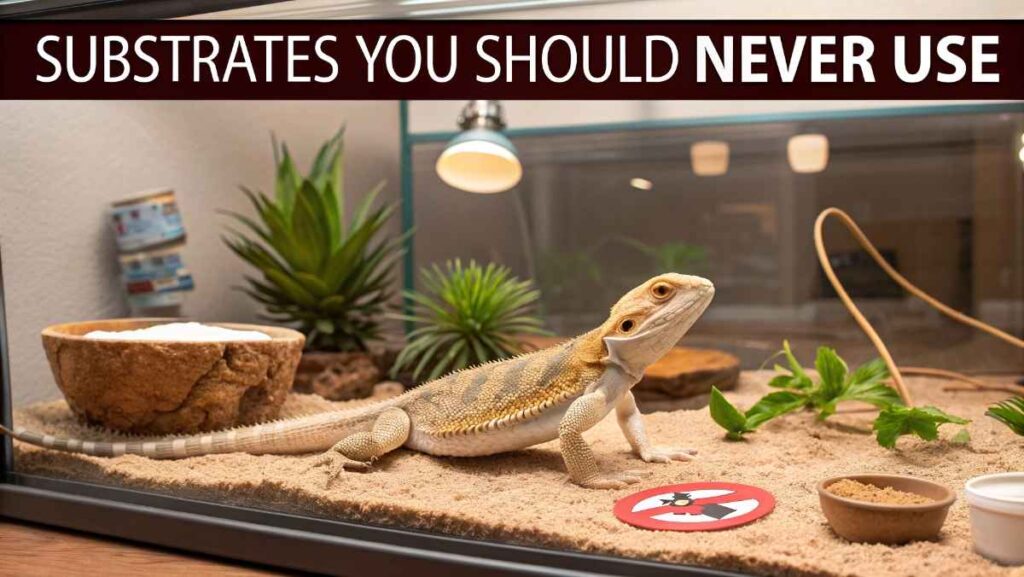
Some substrates are dangerous and should always be avoided.
Calcium Sand
Even though it is sold for reptiles, it is unsafe.
- Sticks together in the stomach
- High risk of blockage
Walnut Shell
- Sharp pieces
- Can injure mouth and stomach
Wood Shavings
- Dusty
- Can cause breathing problems
- Unsafe if swallowed
Coconut Fiber
- Holds too much moisture
- Can cause mold and stomach issues
Sticky Reptile Carpet
- Traps claws and teeth
- Hard to clean deeply
- Builds bacteria over time
Avoiding these substrates can prevent serious health problems.
Best Substrate by Bearded Dragon Age
Age matters a lot when choosing substrate.
Baby Bearded Dragons
Best choices:
- Paper towels
- Tile
- Reptile liner
Babies explore with their mouths and are more likely to swallow loose material.
Juvenile Bearded Dragons
Best choices:
- Tile
- Reptile liner
Loose substrate is still risky at this stage.
Adult Bearded Dragons
Best choices:
- Tile
- Soil and sand mix
- Bioactive substrate
Healthy adults can safely use loose substrate with proper care.
Sick or Quarantine Dragons
Best choices:
- Paper towels
- Newspaper
These make cleaning and health monitoring easy.
Tile vs Sand vs Bioactive – Which Is Better?
Each option has its place.
Tile
- Safest option
- Easy to clean
- No digging
Best for beginners and simple care.
Sand or Soil Mix
- Allows digging
- Natural look
- Needs careful setup
Best for experienced owners.
Bioactive
- Most natural
- Least daily cleaning
- Highest setup effort
Best for advanced keepers who enjoy enclosure design.
How Often Should You Clean or Replace Substrate?
Cleaning keeps bacteria under control.
Solid Substrate
- Spot clean daily
- Deep clean weekly
- Disinfect monthly
Loose Substrate
- Remove waste daily
- Stir weekly
- Replace every 3–6 months
Bioactive Substrate
- Spot clean as needed
- Replace small areas
- Full change only if problems appear
Clean tanks keep dragons healthy and smell-free.
What Happens If a Bearded Dragon Eats Substrate?
Eating substrate can cause impaction, a serious blockage in the stomach.
Signs of Trouble:
- No poop for several days
- Weak back legs
- Swollen belly
- Loss of appetite
What to Do:
- Check basking temperature
- Offer water and hydration
- Remove loose substrate
- Contact a reptile vet if symptoms continue
Early action can save your dragon’s life.
Pro Tips to Keep Substrate Safe
- Feed insects in a bowl or separate area
- Keep basking temperatures correct
- Provide fresh water and hydration
- Use proper UVB lighting
- Avoid cheap or dusty materials
Good care reduces risks even with loose substrate.
Substrate for Sick Bearded Dragons
For sick bearded dragons, use paper towels or newspaper. These substrates are clean, safe, and easy to change. They help you watch poop, appetite, and health signs closely while keeping the enclosure hygienic and stress-free.
Baby Bearded Dragon Substrate
Baby bearded dragons need safe, solid substrates like paper towels, tile, or reptile liner. These options prevent accidental swallowing, make cleaning simple, and help young dragons move safely while they grow and learn to eat properly.
Bearded Dragon Enclosure
A bearded dragon enclosure should include proper substrate, heat, UVB lighting, and space to move. The floor material must be safe, easy to clean, and comfortable. A good enclosure setup supports health, growth, and natural daily behavior.
Bearded Dragon Substrate Mix
A bearded dragon substrate mix usually combines sand, organic soil, and clay. This blend supports digging and looks natural. It works best for healthy adult dragons when temperatures, lighting, and hydration are correct and the mix is dust-free.
Best Loose Substrate for Bearded Dragons
The best loose substrate for bearded dragons is a fine sand and soil mix or sand-clay blend. It allows digging and natural movement. Loose substrate is safest for healthy adults, not babies, and needs regular monitoring and cleaning.
Bearded Dragon Substrate DIY
DIY bearded dragon substrate often uses organic topsoil, fine sand, and clay. This mix is affordable and natural looking. It supports digging but requires correct ratios, proper drying, and careful setup to avoid dust and health risks.
Bioactive Bearded Dragon Substrate
Bioactive bearded dragon substrate includes soil, sand, live plants, and clean-up insects. It creates a natural environment and reduces daily cleaning. This setup is best for experienced owners who can manage moisture, temperature, and enclosure balance.
Bearded Dragon Substrate for Digging
Substrate for digging should be loose enough to hold shape, like soil and sand mixes. Adult bearded dragons enjoy digging for comfort and nesting. Always avoid dusty materials and keep proper heat to reduce ingestion problems.
Bearded Dragon Substrate Tiles
Bearded dragon substrate tiles are one of the safest choices. They cannot be swallowed, are easy to clean, and last long. Tiles also help keep nails short and work well for babies, adults, and beginner owners.
Frequently Asked Questions
What bedding or substrate is good for bearded dragons?
Tile, reptile liner, or paper towels are good substrates, keeping bearded dragons safe, clean, comfortable, and easy to maintain daily.
What substrate is best for bearded dragons?
The best substrate for bearded dragons is tile or liner for safety, while adults may use safe loose mixes carefully.
What is best for the bottom of a bearded dragon enclosure?
Tile or reptile liner is best for the bottom, as it prevents impaction and makes cleaning simple every day now.
What’s the best flooring for a bearded dragon tank?
The best flooring for a bearded dragon tank is tile, offering safety, hygiene, durability, and easy daily cleaning for owners.
Do I have to use substrate for bearded dragons?
No, substrate is not required, but a safe floor like tile or liner is strongly recommended for bearded dragon care.
What is the most common cause of death in bearded dragons?
The most common cause of death is poor husbandry, including bad lighting, wrong temperatures, and improper diet over long time.
How often should I change bearded dragon substrate?
Solid substrates need daily spot cleaning and weekly deep cleaning, while loose substrates are changed every three months on average.
How many inches of substrate does a bearded dragon need?
Bearded dragons usually need three to six inches of loose substrate only if digging is provided for adult dragons safely.
What should I put in a bearded dragon enclosure?
A proper enclosure includes safe substrate, heat, UVB lighting, hides, basking spots, food bowls, and clean water for daily comfort.
Do bearded dragons burrow in sand?
Yes, adult bearded dragons naturally burrow in sand or soil when healthy, warm, and kept correctly with proper setup care.
Conclusion
Choosing the right bearded dragon substrate is one of the most important setup decisions you will make. Solid substrates are the safest and easiest choice, especially for young dragons. Loose and bioactive substrates can work well for healthy adults when done correctly.
Always focus on safety first. A clean, comfortable substrate helps your bearded dragon live a healthier and happier life.