








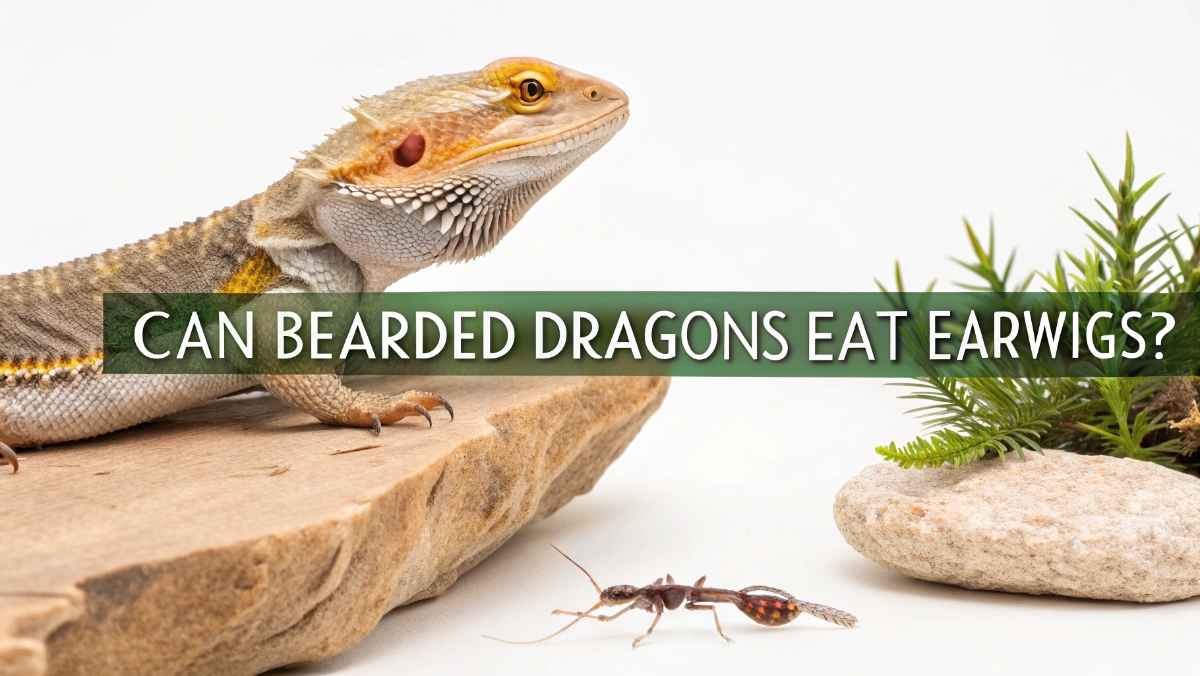
Bearded dragons are curious reptiles that often chase small moving insects. Sometimes owners notice their pet trying to eat bugs found around the house or garden. One insect that people often ask about is the earwig. These small brown insects have tiny pincers on their tail and are common in damp places.
Yes, bearded dragons can eat earwigs, but it’s not recommended. Earwigs may carry parasites or pesticides. One accidental earwig is usually harmless.
In this guide, you will learn whether earwigs are safe, the possible risks, and which insects are better for your bearded dragon’s diet.
Are Earwigs Safe for Bearded Dragons?
Earwigs are not known to be poisonous to reptiles. If a bearded dragon eats one earwig by accident, it usually does not cause serious harm. Many bearded dragons hunt small insects in their enclosure or outside, and sometimes they may catch an earwig.
However, just because earwigs are not toxic does not mean they are safe feeder insects. Most reptile experts do not recommend feeding wild insects to bearded dragons. This is because insects found in gardens or around the house may carry harmful substances.
Wild earwigs can pick up bacteria from dirty places. They can also carry parasites that may infect reptiles. Another concern is pesticide exposure. If the insect was in an area where chemicals were used, the bearded dragon could be exposed to those toxins after eating it.
Because of these risks, earwigs should not be part of a regular diet for your bearded dragon.
What Happens If a Bearded Dragon Eats an Earwig?
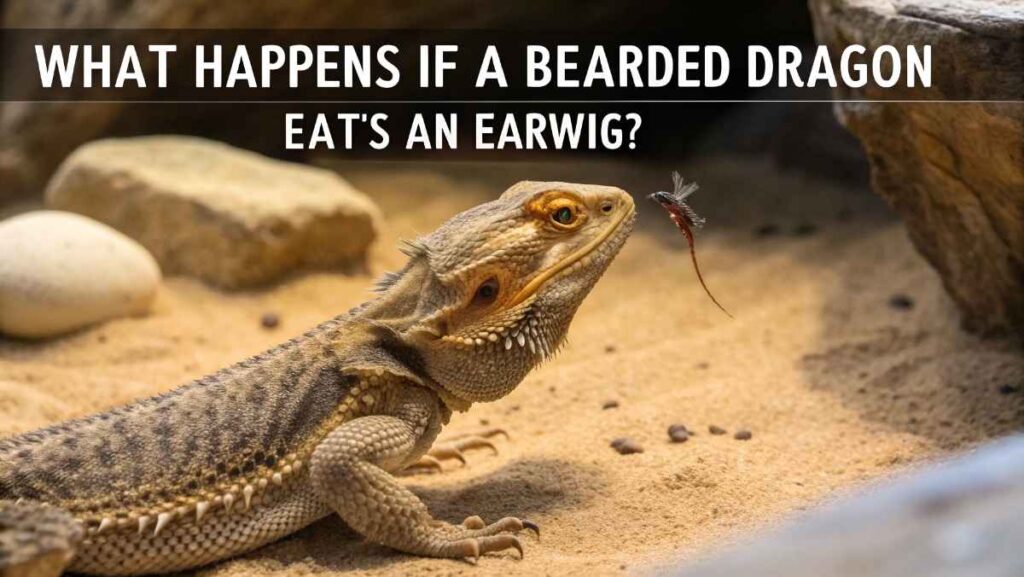
If your bearded dragon eats an earwig, you do not need to panic. In most cases, nothing serious happens. The insect will usually be digested normally, especially if it was only one earwig.
Bearded dragons have strong stomach acids that help break down insects. Many reptiles eat a variety of bugs in the wild, and their bodies can handle small insects.
Still, it is a good idea to watch your pet for the next day or two. Look for signs that something may be wrong. These signs can include loss of appetite, diarrhea, or unusual behavior.
If your bearded dragon continues to act normal, eat normally, and move around as usual, then the earwig likely did not cause any problem.
Why Feeding Wild Insects Can Be Dangerous
Many new reptile owners think it is safe to feed insects they find in the garden. While it might seem natural, feeding wild insects can be risky.
One of the biggest dangers is parasites. Wild insects can carry tiny parasites that are invisible to the eye. When a bearded dragon eats the insect, these parasites may enter its body and cause illness.
Bacteria are another concern. Insects crawl through soil, garbage, and damp areas where harmful bacteria can live. If a reptile eats an insect carrying bacteria, it may develop digestive problems.
Pesticides are also a major risk. Many lawns and gardens use chemical sprays to control pests. If an earwig has been exposed to these chemicals, the toxin may still be in its body. When the bearded dragon eats the insect, it can be exposed to the pesticide as well.
Because of these risks, most reptile keepers prefer feeder insects that are bred for reptiles. These insects are raised in clean environments and are much safer for pets.
Nutritional Value of Earwigs
There is very little research about the exact nutritional value of earwigs for reptiles. Like most insects, earwigs contain protein and some fat. However, they are not considered nutritionally balanced for bearded dragons.
Another issue is the exoskeleton. Earwigs have a hard outer shell made of chitin. While bearded dragons can digest some chitin, too much of it can be difficult to break down. This can sometimes cause digestive discomfort.
Below is a simple look at the general nutrients insects usually provide.
| Nutrient | Description |
| Protein | Helps growth and muscle development |
| Fat | Provides energy |
| Chitin | Hard outer shell that may be hard to digest |
Compared to feeder insects like crickets or dubia roaches, earwigs do not offer balanced nutrition. That is another reason why they should not be fed intentionally.
Risks of Feeding Earwigs to Bearded Dragons
Although earwigs are not poisonous, there are several risks when a bearded dragon eats them.
Parasites
Wild insects often carry parasites. These parasites can enter a reptile’s digestive system and cause health problems. Infected reptiles may develop diarrhea, weight loss, or weakness.
Treating parasites often requires a visit to a reptile veterinarian, which can be stressful for both the owner and the pet.
Pesticides
Earwigs usually live in gardens, under leaves, or in damp soil. Many of these places may contain pesticides or other chemicals. Even a small amount of pesticide can harm a reptile.
Because reptiles have smaller bodies than many animals, toxins can affect them more easily.
Hard Exoskeleton
Earwigs have a hard shell. This shell contains chitin, which can sometimes be difficult to digest. If a young bearded dragon eats insects with very hard shells, it could cause digestive issues.
For this reason, soft-bodied feeder insects are usually better choices.
Safer Insects for Bearded Dragons
Instead of feeding wild insects, it is better to choose feeder insects raised specifically for reptiles. These insects are easy to find at pet stores and are much safer.
Some of the best feeder insects include dubia roaches. These insects are very nutritious and easy for bearded dragons to digest. They contain a good balance of protein and fat.
Crickets are another popular option. Many bearded dragons enjoy chasing crickets because they move quickly. This also provides mental stimulation and exercise.
Black soldier fly larvae are also a great feeder insect. They contain a lot of calcium, which is important for strong bones.
Hornworms and silkworms are softer insects that provide hydration and nutrients. These can be offered occasionally as treats.
Below is a simple comparison.
| Insect | Why It Is Good |
| Dubia roaches | High protein and easy digestion |
| Crickets | Encourage natural hunting |
| Black soldier fly larvae | High calcium content |
| Hornworms | Soft body and good hydration |
| Silkworms | Nutritious and easy to digest |
These insects are much safer than earwigs and should make up the insect portion of your dragon’s diet.
What Bugs Should Bearded Dragons Never Eat?
Some insects can be very dangerous for bearded dragons and should always be avoided.
Fireflies are extremely toxic to many reptiles. Even a small amount can be deadly. These insects should never be eaten.
Wasps and bees are also dangerous. Their stingers can injure a reptile’s mouth or throat.
Wild spiders should not be fed either. Some spiders are venomous, and it can be difficult to tell which ones are safe.
Ants are another insect that should be avoided. Large numbers of ants can irritate the digestive system and may also carry harmful substances.
In general, it is safest to avoid feeding any insect that is caught in the wild.
What To Do If Your Bearded Dragon Eats an Earwig
If you notice that your bearded dragon has eaten an earwig, stay calm. In most situations, the reptile will be completely fine.
First, observe your pet carefully. Watch its behavior over the next day or two. Make sure it continues to eat normally and move around as usual.
Check the enclosure to make sure there are no more insects hiding inside. Cleaning the enclosure can help prevent future problems.
Provide fresh water and continue offering normal food. If your dragon behaves normally, the earwig likely caused no harm.
However, if your pet shows unusual symptoms such as vomiting, weakness, or diarrhea, it may be best to contact a reptile veterinarian.
Signs Your Bearded Dragon Ate a Harmful Bug
Sometimes insects may carry harmful substances. It is important to watch for signs that something may be wrong.
Common warning signs include diarrhea or very loose stool. This can sometimes happen if the insect carried bacteria.
Another warning sign is loss of appetite. If your bearded dragon refuses food for more than a day or two, it may need attention.
Weakness or unusual behavior can also be a concern. If your pet becomes very inactive or appears stressed, it may need help.
Vomiting is another symptom that should not be ignored.
If any of these symptoms appear, it is best to contact a reptile veterinarian for advice.
Best Diet for a Healthy Bearded Dragon
A healthy bearded dragon diet includes a balance of insects and plant foods. Young dragons usually eat more insects because they need protein for growth.
Adult dragons eat more vegetables and fewer insects. This helps maintain a healthy weight and balanced nutrition.
Common vegetables for bearded dragons include collard greens, mustard greens, and squash. These foods provide vitamins and minerals that support good health.
Fruits can also be offered occasionally. However, fruits should only be small treats because they contain sugar.
The insect portion of the diet should always come from safe feeder insects. Avoid feeding insects that are caught outside.
Providing a balanced diet helps keep your bearded dragon active, healthy, and strong.
Frequently Asked Questions
What bugs are toxic to bearded dragons?
Fireflies are very toxic to bearded dragons. Also avoid wasps, bees, wild spiders, and unknown insects because they may contain venom or harmful chemicals.
Do lizards eat earwigs?
Yes, many lizards eat earwigs in the wild. Bearded dragons might eat them too, but wild insects can carry parasites or pesticides.
What is the most common cause of death in bearded dragons?
The most common causes include poor diet, lack of UVB lighting, infections, and improper temperatures. Good care and proper habitat help prevent problems.
Why shouldn’t you kill earwigs?
Earwigs help gardens by eating pests and dead plants. They are also part of nature’s food chain and help keep ecosystems balanced.
What is a bearded dragon’s worst enemy?
In the wild, birds of prey, snakes, and larger animals can hunt bearded dragons. In captivity, poor care and wrong temperatures are bigger dangers.
Why shouldn’t you kiss your bearded dragon?
You should avoid kissing bearded dragons because they can carry salmonella bacteria. This bacteria can spread to humans and cause illness.
What is a bearded dragon’s favorite insect?
Many bearded dragons love crickets and dubia roaches. These insects move a lot, which encourages natural hunting and keeps dragons active.
What should bearded dragons never eat?
Bearded dragons should never eat fireflies, avocado, rhubarb, onion, or insects caught in pesticide areas because these foods can be toxic.
Do bearded dragons need to eat bugs and worms?
Yes, bearded dragons need insects for protein. Young dragons eat more bugs, while adults eat more vegetables with insects offered regularly.
What bugs are safe for my bearded dragon to eat outside?
It is safest not to feed outside bugs. Wild insects may carry parasites, pesticides, or bacteria that can harm your bearded dragon.
Final Thoughts
Earwigs are not poisonous insects, so a bearded dragon that eats one accidentally will usually be fine. However, they are not recommended as feeder insects. Wild earwigs may carry parasites, bacteria, or pesticides that could harm your reptile.
For the best care, it is safer to feed insects that are raised specifically for reptiles. Dubia roaches, crickets, and black soldier fly larvae provide better nutrition and are much safer choices.
Keeping your bearded dragon on a balanced diet and avoiding wild insects can help prevent health problems and keep your pet happy and healthy.