



Leopard geckos are popular pet reptiles known for their calm nature and simple care needs. One of the most important parts of keeping a leopard gecko healthy is feeding it the right diet. Many owners ask if dubia roaches are a good food choice.
Yes, leopard geckos can eat dubia roaches. They are safe, nutritious feeder insects and a great addition to a balanced leopard gecko diet.
This guide explains everything you need to know about feeding dubia roaches to leopard geckos, including safety, nutrition, feeding amounts, and useful tips.
Can Leopard Geckos Eat Dubia Roaches?
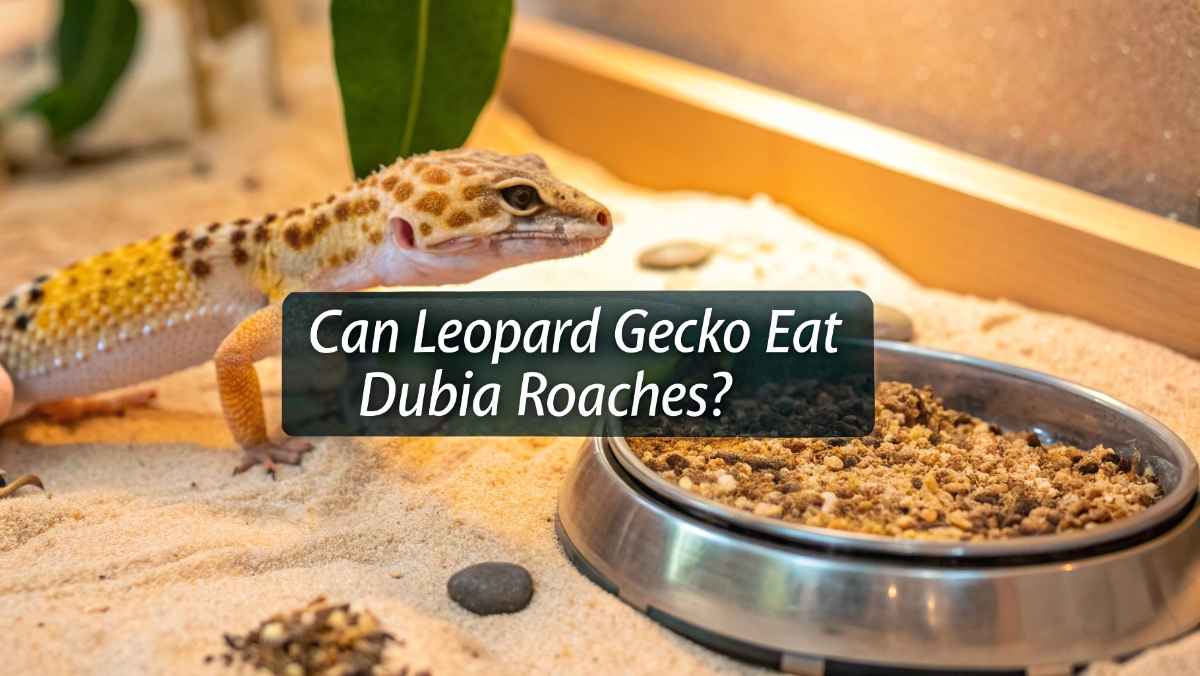
Yes, leopard geckos can eat dubia roaches, and many reptile keepers consider them one of the best feeder insects available. These roaches are packed with protein and nutrients that help support a healthy reptile diet.
Dubia roaches are soft compared to many other insects, which makes them easier for leopard geckos to chew and digest. They also move slowly, so geckos can catch them easily. Because of this, dubia roaches are often used instead of crickets or other feeder insects.
Even though dubia roaches are healthy, they should not be the only food in a leopard gecko’s diet. Leopard geckos do best when they eat a variety of insects. Mixing dubia roaches with other feeder insects helps give your gecko a balanced diet.
Are Dubia Roaches Safe for Leopard Geckos?
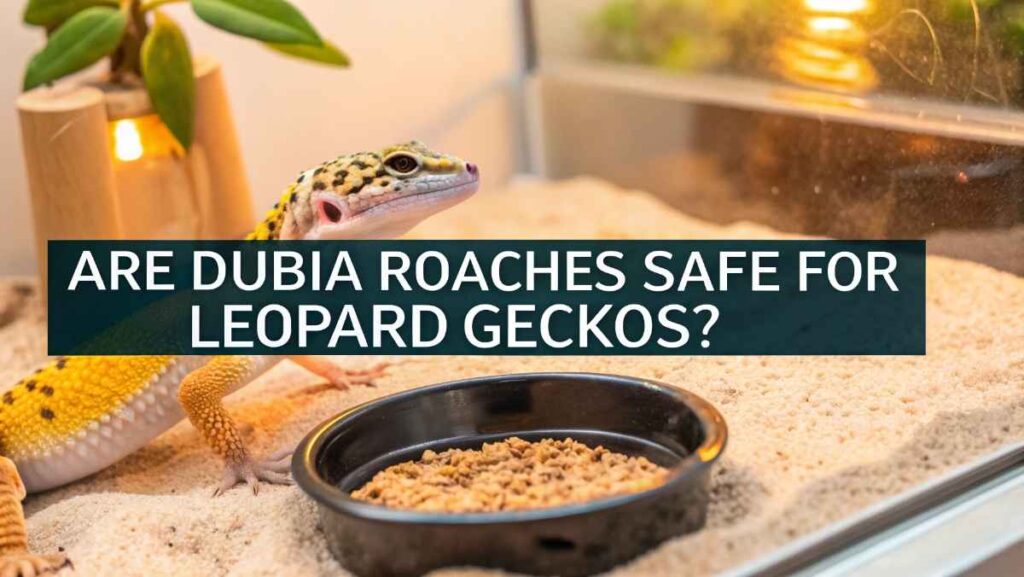
Dubia roaches are safe for leopard geckos when they are fed properly. These insects are widely used by reptile owners because they do not carry strong odors and are less likely to spread parasites compared to wild insects.
The most important rule is to choose the right size roach. The insect should never be bigger than the space between the leopard gecko’s eyes. This helps prevent choking or digestion problems.
Another important step is gut-loading. Gut-loading means feeding healthy foods to the insects before giving them to your gecko. This allows the insects to pass extra nutrients to the reptile. Vegetables, leafy greens, and commercial insect food are commonly used for gut-loading.
You should also keep the insects clean and healthy. Never feed wild-caught insects to leopard geckos because they may carry harmful chemicals or parasites.
Nutritional Benefits of Dubia Roaches
Dubia roaches are very nutritious for insect-eating reptiles. They contain a high amount of protein, which helps support muscle growth and overall health.
Protein is especially important for young leopard geckos because they are still growing. Adult geckos also benefit from protein because it helps maintain strong muscles and body weight.
Dubia roaches also contain important minerals such as calcium and phosphorus. These minerals support bone health and help prevent metabolic bone disease, which is a common health problem in reptiles.
Another benefit of dubia roaches is their lower fat content compared to some other feeder insects. This makes them a good option for regular feeding without causing obesity.
Because they have a softer body and less hard shell than many insects, dubia roaches are also easier for leopard geckos to digest.
How Many Dubia Roaches Should a Leopard Gecko Eat?
The number of dubia roaches a leopard gecko should eat depends on its size, age, and activity level. Smaller geckos need fewer insects, while larger geckos may eat more.
In general, a leopard gecko may eat about three to seven dubia roaches in one feeding session. Some geckos may eat more if the roaches are very small.
A simple method many owners follow is the fifteen-minute rule. During feeding time, allow the gecko to eat as many insects as it wants within fifteen minutes. After that time, remove any uneaten insects from the enclosure.
This helps prevent insects from hiding in the tank and bothering the gecko later. Overfeeding should also be avoided. Too many insects can lead to weight gain and health problems.
How Often Should You Feed Dubia Roaches?
The feeding schedule for dubia roaches depends on the age of the leopard gecko.
Feeding Baby Leopard Geckos
Baby leopard geckos grow quickly, so they need food more often. Young geckos are usually fed every day. Small dubia roaches or roach nymphs are best for babies because they are easy to swallow.
Daily feeding helps support fast growth and provides the nutrients needed for development.
Feeding Juvenile Leopard Geckos
Juvenile leopard geckos are slightly older but still growing. They usually eat every one to two days. At this stage, slightly larger roaches can be offered.
Owners should continue providing a balanced mix of insects so the gecko receives different nutrients.
Feeding Adult Leopard Geckos
Adult leopard geckos do not need food every day. Most adults are fed every two or three days.
Feeding too often may cause weight gain, so it is important to watch your gecko’s body condition and adjust feeding if needed.
What Size Dubia Roaches Are Best?
Choosing the right insect size is very important when feeding leopard geckos. A good rule is that the insect should not be bigger than the distance between the gecko’s eyes. This helps prevent choking and makes digestion easier.
Small roach nymphs are best for baby leopard geckos. Juveniles can handle medium-sized insects, while adults may eat larger roaches.
If the roach is too large, it may be difficult for the gecko to swallow. Large insects can also cause digestion problems.
When in doubt, it is always safer to choose smaller insects.
Pros and Cons of Feeding Dubia Roaches
Like all feeder insects, dubia roaches have both advantages and disadvantages.
Benefits
One of the biggest benefits is their high nutritional value. Dubia roaches provide protein and important nutrients that support reptile health.
They are also quiet insects. Unlike crickets, they do not make noise, which many reptile owners appreciate.
Dubia roaches also do not smell as much as some other feeder insects. This makes them easier to keep in the home.
Another benefit is that they move slowly. This makes it easier for leopard geckos to catch them during feeding time.
Possible Downsides
One downside is that dubia roaches can hide inside the enclosure if they are not eaten quickly. This may make it difficult to remove them later.
Another issue is that very large roaches may have harder shells, which can be difficult for smaller geckos to chew.
Because of this, choosing the right insect size is very important.
Tips for Feeding Dubia Roaches to Leopard Geckos
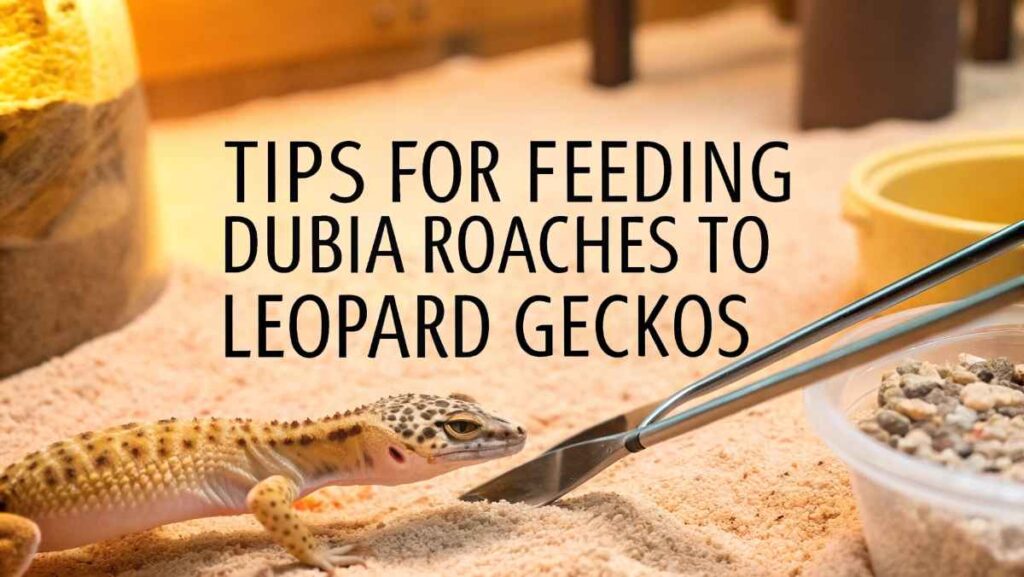
Feeding dubia roaches properly can help keep your leopard gecko healthy and active. One helpful tip is to dust the insects with calcium powder before feeding. Calcium helps support strong bones and prevents health problems.
Gut-loading the insects before feeding is also very important. Feeding the roaches healthy foods like vegetables allows them to pass extra nutrients to your gecko.
Some owners use feeding bowls to prevent insects from escaping. Others prefer using feeding tongs to offer insects directly to the gecko.
After feeding, always check the enclosure and remove any insects that were not eaten.
Providing fresh water and maintaining proper enclosure temperatures also help with digestion and overall health.
Best Insects for Leopard Geckos
While dubia roaches are an excellent feeder insect, leopard geckos should eat a variety of insects for the best nutrition.
Crickets are one of the most common feeder insects. They are easy to find and encourage hunting behavior.
Mealworms are another popular choice. They are easy to store and feed, but they should not be the only insect in the diet.
Black soldier fly larvae are also a nutritious feeder insect. They naturally contain calcium and are very healthy for reptiles.
Waxworms can be offered as an occasional treat. However, they are high in fat and should not be fed too often.
A varied diet helps ensure your leopard gecko receives all the nutrients it needs.
Foods Leopard Geckos Should Never Eat
Leopard geckos are insect-eating reptiles, so they should not eat fruits, vegetables, or human foods.
Wild insects should also be avoided. Insects caught outside may carry pesticides or harmful parasites that could make your gecko sick.
Fireflies are extremely dangerous and should never be fed to reptiles because they contain toxic chemicals.
Sticky or sugary foods should also be avoided because they can cause health problems.
The safest diet for leopard geckos is a variety of healthy feeder insects raised specifically for reptiles.
Signs Your Leopard Gecko Enjoys Dubia Roaches
Leopard geckos often show excitement when they see their favorite insects. If your gecko enjoys dubia roaches, it may become active and start hunting when feeding time begins.
Healthy geckos usually chase the insects and eat them quickly. A good appetite is often a sign that your gecko is healthy and comfortable in its environment.
Another good sign is steady growth and a healthy body weight. Leopard geckos store fat in their tails, so a thick tail usually means the gecko is eating well.
If your gecko refuses food for long periods, it may be stressed, sick, or experiencing environmental problems.
How Many Dubia Roaches For Leopard Gecko Per Day
Most leopard geckos eat about 3 to 7 small dubia roaches per feeding. Babies may eat daily, while adults eat every two to three days. Always watch your gecko’s appetite and remove any insects left after feeding time.
What Size Dubia Roaches For Leopard Gecko
Choose dubia roaches that are smaller than the space between your leopard gecko’s eyes. Small roach nymphs are best for babies, while juveniles and adults can eat slightly larger ones that are still easy to swallow.
Can Leopard Geckos Eat House Roaches
Leopard geckos should not eat house roaches. These insects may carry parasites, bacteria, or chemicals from inside homes. Feeding wild insects can make your gecko sick, so it is safer to use captive-bred feeder insects.
Can Leopard Geckos Eat German Cockroaches
German cockroaches are not safe for leopard geckos. They often live in dirty places and may carry harmful bacteria or pesticides. Feeding these roaches can cause health problems, so they should always be avoided.
Gut Loading Dubia Roaches For Leopard Geckos
Gut loading means feeding healthy foods to dubia roaches before giving them to your leopard gecko. Offer vegetables, leafy greens, and insect food. This helps the roaches pass extra nutrients to your gecko during feeding.
How Many Dubia Roaches For Juvenile Leopard Gecko
A juvenile leopard gecko usually eats around 5 to 8 small dubia roaches during one feeding. Juveniles are growing quickly, so they often eat every day or every other day to support healthy development.
Can You Leave Dubia Roaches In Leopard Gecko Tank
It is not a good idea to leave dubia roaches in the tank after feeding. They may hide in the enclosure and stress your gecko later. Always remove uneaten insects once feeding time is finished.
Leopard Gecko Only Eats Dubias
If your leopard gecko only eats dubia roaches, it may simply prefer them. Try offering other insects slowly, like crickets or mealworms. Feeding a mix of insects helps provide balanced nutrition and keeps your gecko healthy over time.
FAQs
What insects can leopard geckos not eat?
Leopard geckos should not eat fireflies, wild insects, toxic bugs, or insects exposed to pesticides because they can harm your gecko.
Do leopard gecko eat roaches?
Yes, leopard geckos can eat roaches like dubia roaches. They are nutritious feeder insects and commonly used in reptile diets.
What should you not feed Dubia roaches?
Do not feed dubia roaches junk food, salty foods, citrus, or spoiled food because it can harm them and your gecko.
Will Dubia roaches hurt a leopard gecko?
Dubia roaches usually do not hurt leopard geckos. They move slowly and are safe feeder insects when the correct size is offered.
Are Dubai Roaches safe for leopard gecko?
Yes, dubia roaches are safe for leopard geckos. They are nutritious, easy to digest, and commonly used as healthy feeder insects.
Can I feed my Leopard Gecko adult dubia roaches?
Yes, but only if the roach is smaller than the space between your gecko’s eyes to avoid choking problems.
How many dubia roaches does your Leo eat?
Most leopard geckos eat about three to seven dubia roaches per feeding, depending on age, size, and appetite.
Dubia Roaches Kill Leopard Gecko?
No, dubia roaches do not kill leopard geckos. They are safe feeder insects when fed correctly and removed after feeding.
How to introduce dubia roaches to a leopard gecko’s diet?
Offer one or two small dubia roaches during feeding time. Slowly mix them with other insects until your gecko accepts them.
Can I cut my Dubia roaches and feed it to my baby gecko?
Yes, you can cut dubia roaches into smaller pieces for baby geckos if the insect is too large to swallow.
Final Verdict: Should Leopard Geckos Eat Dubia Roaches?
Dubia roaches are one of the best feeder insects you can offer a leopard gecko. They are rich in protein, easy to digest, and full of important nutrients that support reptile health.
When fed in the correct size and proper amounts, dubia roaches are a safe and healthy food choice. However, they should be part of a varied insect diet rather than the only food your gecko eats.
By providing a mix of feeder insects, proper calcium supplements, and good care, you can help your leopard gecko stay healthy and active for many years.