




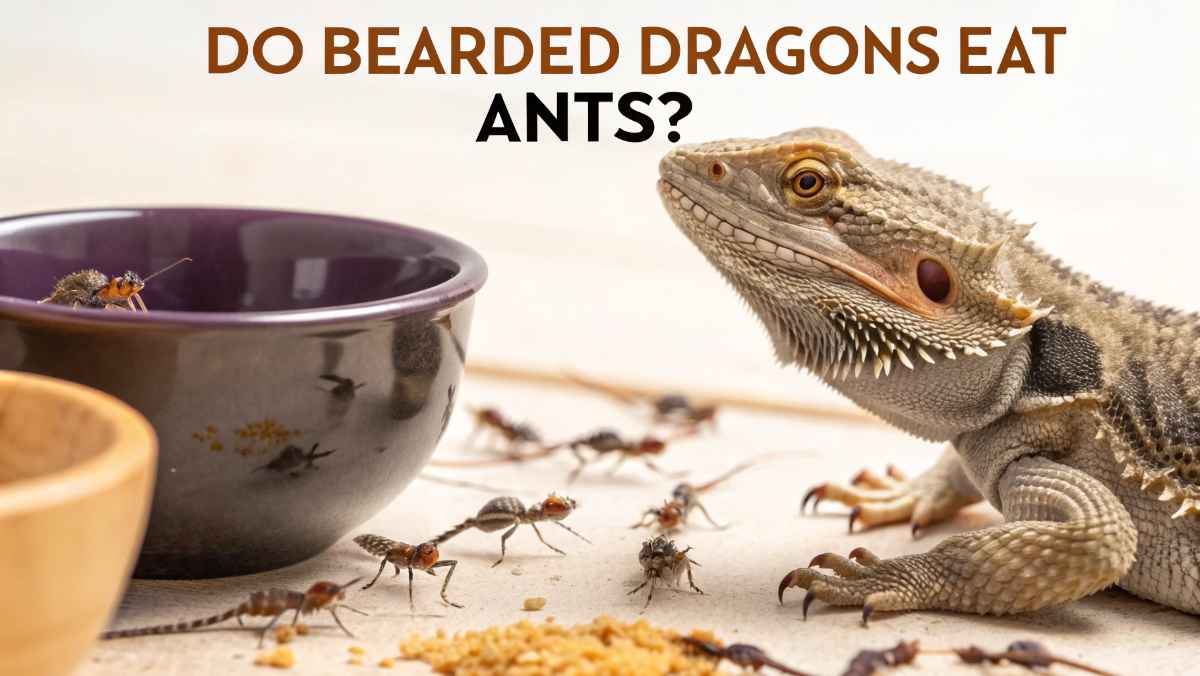
Bearded dragons are popular reptiles that eat many kinds of insects in their diet. Many owners wonder if ants are safe for their pet. Ants are small insects that bearded dragons might notice if they appear inside the enclosure or outside in the yard.
Bearded dragons can eat ants, but they should not be fed them regularly. Some ants can bite, cause stress, or carry chemicals from outside.
This guide explains whether bearded dragons eat ants, if ants are safe, and which insects are better for your dragon’s health.
Can Bearded Dragons Eat Ants?
Yes, bearded dragons can eat ants if they come across them. In the wild, bearded dragons hunt many small insects, including ants, beetles, and other bugs they find on the ground. Their hunting instinct makes them chase anything small that moves.
However, ants are not a good insect to feed your bearded dragon regularly. They are very small and do not provide enough nutrition compared to common feeder insects. A bearded dragon would need to eat many ants to get the same nutrients that it can get from a few crickets or roaches.
If your bearded dragon eats a few ants by accident, it usually will not cause problems. But feeding ants on purpose is not recommended because they are not the safest or healthiest insect option.
Are Ants Safe for Bearded Dragons?
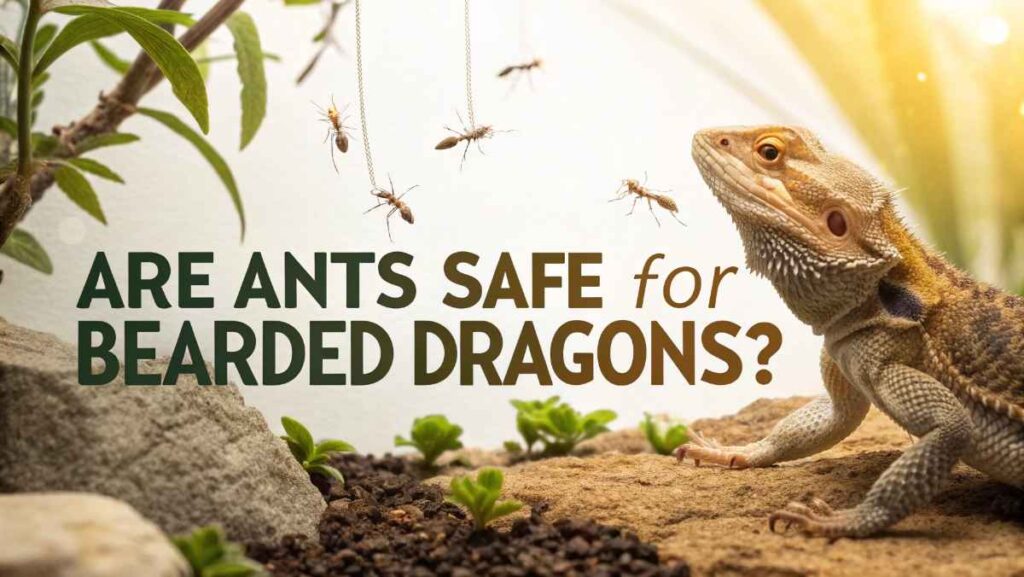
Ants are not the safest insects for bearded dragons. Some ants may be harmless, but others can cause problems. There are several reasons why ants should not be part of your dragon’s regular diet.
First, some ants can bite or sting. This can irritate your bearded dragon’s mouth or skin. Fire ants are especially known for their painful stings. If a bearded dragon tries to eat ants that sting, it may get hurt.
Second, ants that live outside may carry pesticides, chemicals, or bacteria. These substances can be harmful if your dragon eats them. Insects collected from gardens or homes may have been exposed to sprays or cleaning products.
Third, ants are not very nutritious for reptiles. They do contain protein, but their nutritional balance is not ideal for bearded dragons. Other feeder insects provide much better nutrition and are safer to use.
Because of these reasons, ants are considered an insect that should be avoided whenever possible.
What Happens If a Bearded Dragon Eats Ants?
If a bearded dragon eats one or two ants, it usually does not cause serious harm. Many reptiles in nature eat small insects without problems. A healthy adult dragon can digest a few ants without difficulty.
However, problems can occur in certain situations.
If the ants are the type that sting, your dragon may feel discomfort in its mouth. It may shake its head or rub its mouth on objects in the enclosure. This reaction usually happens because the ant has bitten or stung the dragon.
If your dragon eats many ants at once, it may experience mild stomach irritation. Ants are small and have hard outer bodies, which may be difficult to digest in large numbers.
Another concern is contamination. Ants from outside environments may carry chemicals or pesticides. Eating insects that have been exposed to chemicals could upset your dragon’s stomach.
In most cases, if your bearded dragon eats a few ants and behaves normally afterward, there is nothing to worry about. But if you notice unusual behavior such as lack of appetite, stress, or swelling around the mouth, it is best to contact a reptile veterinarian.
Can Baby Bearded Dragons Eat Ants?
Baby bearded dragons should not eat ants. Young dragons need a diet that is rich in protein and nutrients so they can grow properly. Ants are too small and do not provide enough nutrition for a growing dragon.
Baby dragons usually eat many insects every day. These insects should be larger and more nutritious than ants. Crickets, roaches, and larvae are commonly used because they provide the protein and nutrients that baby dragons need.
Another reason ants are not suitable for babies is their size and hardness. Young dragons may struggle to digest large numbers of small insects with hard shells. This could lead to stomach discomfort or digestive problems.
For the best growth and health, baby bearded dragons should be fed safe feeder insects along with fresh vegetables and greens.
Types of Ants Bearded Dragons Should Avoid
Some ants can be more dangerous than others. While many ants are small and harmless, certain species should always be avoided.
Fire Ants
Fire ants are one of the most dangerous types of ants for reptiles. They can sting repeatedly and cause pain and swelling. If a bearded dragon tries to eat them, it could get stung in the mouth.
Carpenter Ants
Carpenter ants are larger than common ants and can bite. While their bite is not usually deadly, it can still cause discomfort and stress for your dragon.
Ants from Treated Areas
Ants that live in areas where pesticides or chemicals are used can be harmful. If your dragon eats ants that have been exposed to these chemicals, it could become sick.
Because it is difficult to know which ants are safe and which are dangerous, it is better to avoid feeding ants completely.
Better Insects for Bearded Dragons
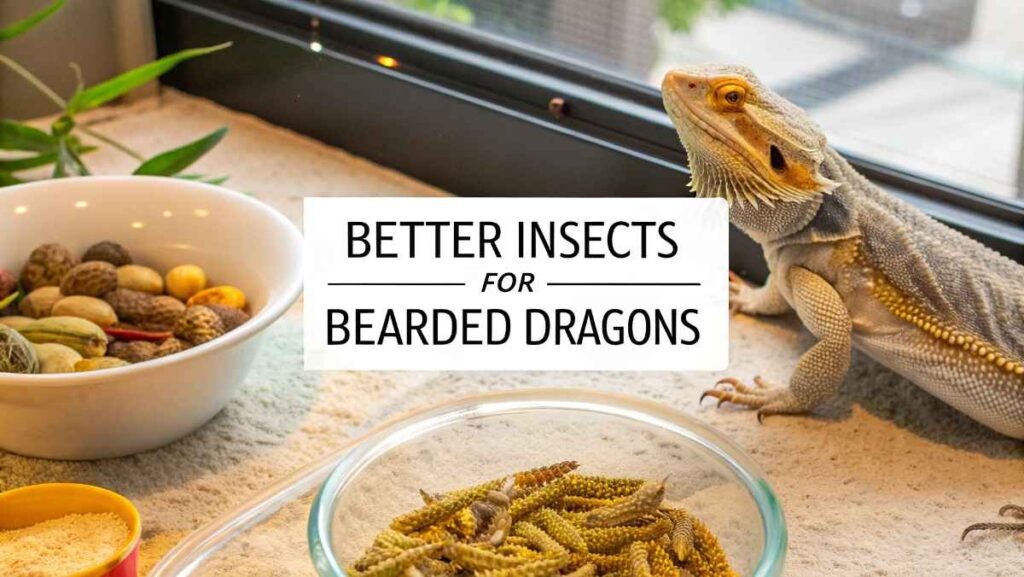
There are many insects that are much safer and healthier for bearded dragons. These insects are commonly raised as feeder insects and provide better nutrition.
Crickets
Crickets are one of the most popular feeder insects. They are active and encourage natural hunting behavior. Crickets are rich in protein and are widely available.
Dubia Roaches
Dubia roaches are considered one of the best feeder insects. They are high in protein and easy to digest. Many owners prefer them because they are less likely to carry parasites.
Black Soldier Fly Larvae
These larvae are also known as calcium worms. They are a great food source because they contain a high amount of calcium, which helps support strong bones.
Silkworms
Silkworms are soft-bodied insects that are easy to digest. They are nutritious and are often used as a healthy treat.
Hornworms
Hornworms are large, soft insects that contain a lot of moisture. They are good for hydration but should be given occasionally because they grow large quickly.
These insects are much safer choices than ants and provide the nutrients that bearded dragons need to stay healthy.
How to Keep Ants Out of a Bearded Dragon Tank
Ants may sometimes enter a bearded dragon enclosure if they find food inside. Keeping the tank clean is the best way to prevent this problem.
One important step is removing leftover food quickly. Insects and vegetables that remain in the enclosure can attract ants. After feeding your dragon, check the tank and remove anything that was not eaten.
Regular cleaning also helps prevent ants. Wipe surfaces and replace dirty substrate when needed. A clean enclosure is less likely to attract insects.
Another tip is to avoid placing the enclosure near places where ants are commonly seen. If ants travel along walls or floors nearby, they may eventually reach the tank.
Sealing small cracks or gaps around the room can also reduce the chance of ants entering your home. By keeping the area clean and secure, you can prevent ants from bothering your dragon.
Signs Your Bearded Dragon Ate Harmful Ants
Most of the time, eating a few ants will not cause serious problems. However, it is still important to watch your dragon for unusual signs.
If your dragon was stung or bitten by ants, you may notice irritation around the mouth. It might rub its mouth against objects or seem uncomfortable.
Loss of appetite is another possible sign. If your dragon refuses food after eating ants, it may be experiencing stomach irritation.
Some dragons may also appear stressed or restless if they were bothered by biting insects.
In rare cases, swelling or redness around the mouth could appear if the ant caused irritation. If any of these symptoms continue for a long time, it is best to contact a reptile veterinarian for advice.
Monitoring your dragon’s behavior after it eats something unusual is always a good practice.
Do Bearded Dragons Eat Ants In The House
Bearded dragons may try to eat ants if they see them moving inside the house. However, ants found indoors may carry chemicals or dirt. It is safer to remove the ants and feed proper insects like crickets or roaches instead.
Do Bearded Dragons Eat Ants In The Garden
Bearded dragons in outdoor spaces may notice ants in the garden and try to catch them. While eating a few ants usually is not harmful, garden ants may carry pesticides or bacteria, so they should not be a regular food.
What Kind Of Ants Can Bearded Dragons Eat
Bearded dragons may eat small common ants if they come across them, but ants are not a good feeder insect. Most ants do not provide enough nutrition, and some species can bite or sting, so it is better to avoid feeding them.
Can Bearded Dragons Eat Fire Ants
No, bearded dragons should not eat fire ants. Fire ants can sting and cause pain or irritation in the mouth. Their stings may stress or harm your dragon, so it is best to keep them away from the enclosure.
Can Bearded Dragons Eat Black Ants
Bearded dragons might eat small black ants if they see them moving, but they should not be fed regularly. Black ants do not offer much nutrition and may carry dirt or chemicals from outside environments.
Can Bearded Dragons Eat Sugar Ants
Bearded dragons may try to eat sugar ants because they are small and active. However, sugar ants are not a healthy feeder insect and may carry bacteria, so it is better to feed safer insects instead.
Can Bearded Dragons Eat Carpenter Ants
Bearded dragons should not eat carpenter ants. These ants are larger and can bite. Their size and stronger jaws may irritate your dragon’s mouth, so they are not considered safe insects for feeding.
FAQs
What is a bearded dragon’s favorite bug?
Many bearded dragons love eating crickets and dubia roaches. These insects move a lot and provide good nutrition for dragons.
Why can’t you kiss a bearded dragon?
Kissing a bearded dragon is not recommended because reptiles can carry bacteria like salmonella that may make humans sick.
Can ants bite bearded dragons?
Yes, some ants can bite or sting a bearded dragon. Bites may irritate the skin or mouth slightly.
Do beardies miss their owners?
Bearded dragons may recognize their owners and feel comfortable with them, but they do not experience emotions exactly like humans.
What calms a bearded dragon?
A calm environment, gentle handling, warm temperatures, and proper lighting help bearded dragons relax and feel safe in their enclosure.
Can ants hurt my beardie?
A few ants usually do not harm a beardie, but biting or stinging ants may irritate or stress them.
Can ants really kill a Bearded Dragon?
In rare cases, many stinging ants like fire ants could seriously harm a bearded dragon if they attack together.
Can a beardie eat flying ants?
A beardie might eat a flying ant if it catches one, but they are not recommended feeder insects.
How to keep ants away from a bearded dragon enclosure?
Clean leftover food quickly, keep the enclosure dry, and seal nearby cracks to prevent ants entering the tank.
Are sugar ants safe for bearded dragons to eat?
Sugar ants are not recommended for bearded dragons because they provide little nutrition and may carry bacteria.
Final Thoughts
Bearded dragons are natural hunters and may sometimes eat ants if they find them moving nearby. While eating a few ants usually does not cause harm, ants are not a good food choice for these reptiles.
Some ants can bite or sting, and others may carry chemicals or dirt from the environment. Because ants are small and not very nutritious, they should not be offered as a regular feeder insect.
Instead, it is much safer to feed insects that are commonly used for reptiles. Crickets, dubia roaches, black soldier fly larvae, silkworms, and hornworms provide better nutrition and help keep your bearded dragon healthy.
Keeping the enclosure clean and removing leftover food can also help prevent ants from entering the tank. By choosing safe feeder insects and maintaining a clean habitat, you can make sure your bearded dragon stays healthy and happy.