






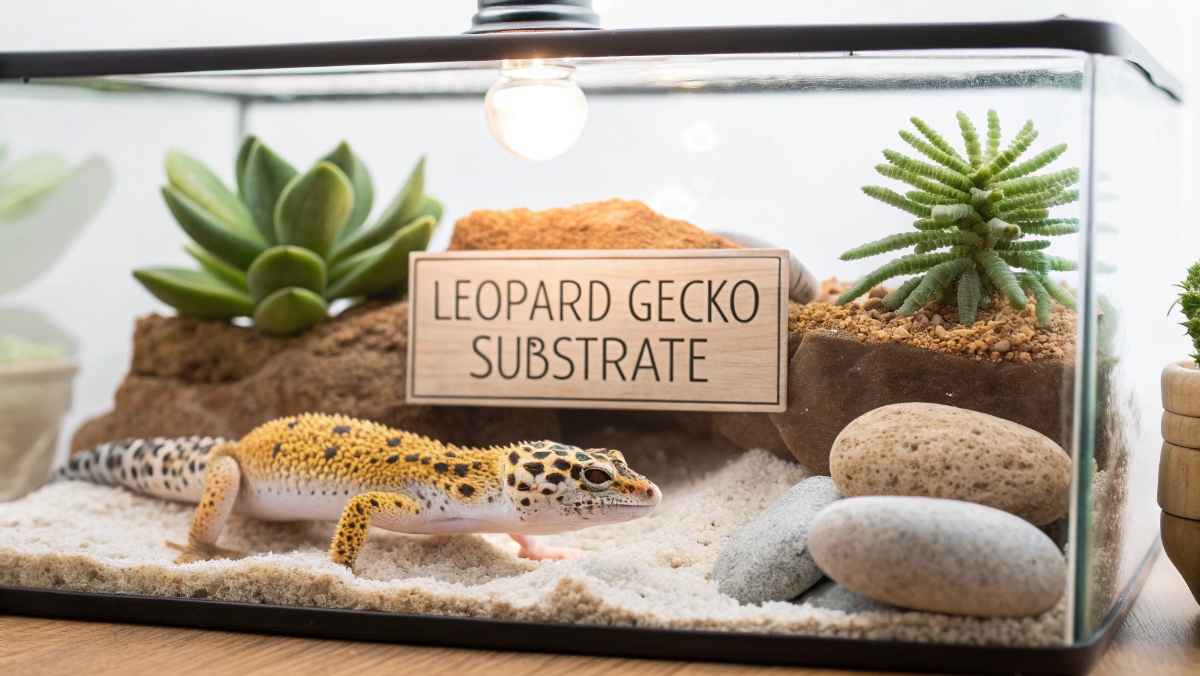
Choosing the right substrate is very important for your leopard gecko. It affects their health, comfort, and natural behavior. Many beginners feel confused because there are too many options, and some are unsafe.
Best leopard gecko substrate is soil and sand mix (70/30 or 80/20) with clay. Beginners can use paper towels for a safe, simple setup.
In this guide, you will learn everything in simple words. We will cover the best substrates, safe choices, dangerous ones, and how to set up your tank properly.
What Is the Best Substrate for Leopard Geckos?
The best substrate depends on your experience and your gecko’s age.
1. Soil + Sand + Clay Mix (Best Overall)
This is the most natural option. It copies the gecko’s natural habitat.
- Allows digging (natural behavior)
- Holds shape well
- Looks realistic
A common mix:
- 70% organic topsoil
- 20% play sand
- 10% clay
This mix is best for healthy adult geckos.
2. Paper Towels (Best for Beginners)
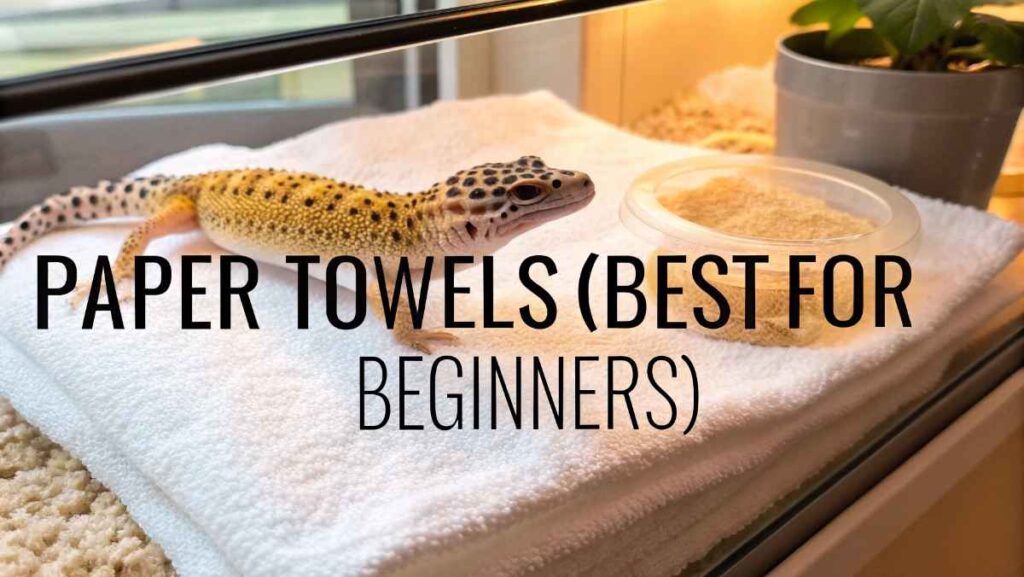
This is the safest and easiest option.
- No risk of impaction
- Easy to clean
- Cheap and simple
It may not look nice, but it is perfect if you are new or have a baby gecko.
3. Tile or Slate
Many owners use tile for easy cleaning.
- Looks clean and neat
- No loose particles
- Helps keep nails trimmed
But it does not allow digging, so it is less natural.
Safe Substrates List
Here are the safest options you can use without worry:
Soil Mix (Top Choice)
Natural and best for enrichment.
Paper Towels
Perfect for babies and sick geckos.
Tile
Easy to maintain and long-lasting.
Clay-Based Substrate
Good for burrowing and holding tunnels.
Also Read: Bearded Dragon Substrate – Safe, Unsafe, and Best Choices!
Unsafe Substrates (Very Important)
Some substrates can harm or even kill your gecko. You must avoid these.
Calcium Sand
Many people think this is safe, but it is dangerous.
- Can cause impaction
- Encourages eating substrate
- Hard to digest
Wood Chips
These are not suitable for desert reptiles.
- Too rough
- Can injure skin
- Holds too much moisture
Walnut Shell
This is very risky.
- Sharp edges
- Can damage eyes and skin
- Causes serious impaction
Coconut Fiber Alone
Not the best choice by itself.
- Too soft and dusty
- Can cause breathing issues
- Holds too much moisture
Loose vs Solid Substrate
This is a common question.
Loose Substrate
Examples: soil mix, sand mix
Pros:
- Natural look
- Allows digging
- More enrichment
Cons:
- Risky if used incorrectly
- Needs proper care
Solid Substrate
Examples: tile, paper towels
Pros:
- Very safe
- Easy cleaning
- No impaction risk
Cons:
- Not natural
- No digging
Which One Is Better?
- Beginners → use solid substrate
- Experienced keepers → use loose substrate
Both can work if used properly.
Must Read: How Long Can A Bearded Dragon Go Without Eating? – Guide
Best Substrate for Baby Leopard Geckos
Baby geckos need extra care.
👉 The best choice is paper towels.
Why?
- Babies may accidentally eat substrate
- Their bodies are small and sensitive
- Easy to monitor health
Avoid loose substrate until they grow bigger.
How to Set Up Substrate (Step-by-Step)
Setting up the substrate correctly is very important.
Step 1: Clean the Tank
Make sure the tank is clean before adding anything.
Step 2: Add Substrate Layer
If using a soil mix:
- Add 3–4 inches depth
- Spread evenly
Step 3: Pack It Slightly
Press the substrate gently so it holds shape.
Step 4: Keep It Dry
Leopard geckos need a dry environment.
- Do not keep substrate wet
- Only humid hide should be moist
Step 5: Spot Clean Daily
Remove waste every day.
Step 6: Deep Clean Monthly
Replace or clean substrate fully when needed.
Can Leopard Geckos Live on Sand?
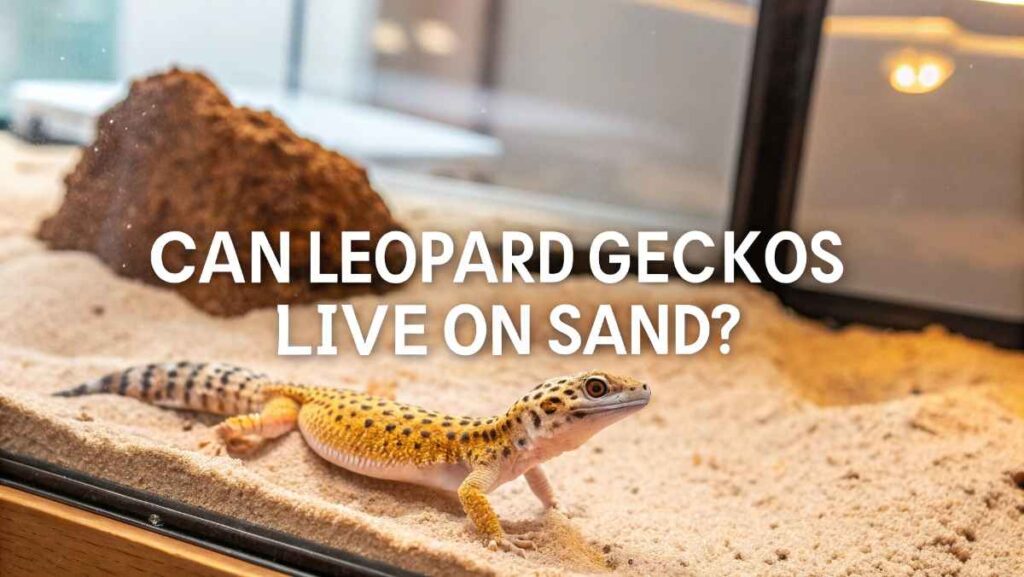
This is a very common question.
👉 Pure sand is not recommended.
Why?
- Easy to swallow
- Can cause impaction
- Not natural alone
But sand in a mix (with soil and clay) is safe when used correctly.
Do Leopard Geckos Need Substrate?
Yes, they do.
Substrate helps with:
- Comfort
- Movement
- Natural behavior
Even simple options like paper towels are better than a bare tank.
Cheapest Substrate Option
If you are on a budget, use:
👉 Paper towels
- Very cheap
- Easy to replace
- Safe for all ages
You can upgrade later when you gain experience.
Common Mistakes to Avoid
Many beginners make these mistakes. Avoid them to keep your gecko safe.
Using Calcium Sand
It is marketed as safe, but it is not.
Using Loose Substrate Too Early
Babies should not be on loose substrate.
Keeping Substrate Wet
Leopard geckos need dry conditions.
Not Cleaning Regularly
Dirty substrate can cause infections.
Using Random Soil
Always use chemical-free organic soil.
Signs Your Substrate Is Wrong
Watch your gecko closely. These signs mean something is wrong:
- Not eating
- Lethargy (low energy)
- Swollen belly
- Trouble walking
- Breathing problems
If you notice these, change the substrate immediately.
Best Setup for Beginners
If you are just starting, use this simple setup:
- Paper towel substrate
- Warm hide
- Cool hide
- Humid hide
- Water dish
This setup is safe and easy to manage.
Natural Setup (Advanced)
If you want a more natural tank:
- Soil + sand + clay mix
- Rocks and hides
- Proper heating
- Dry environment
This setup looks beautiful and allows natural behavior.
How Often Should You Change Substrate?
It depends on the type.
Paper Towels
- Change every few days
Soil Mix
- Spot clean daily
- Full change every 1–2 months
Tile
- Clean regularly
- No need to replace
Tips for Choosing the Right Substrate
Here are some simple tips:
- Start simple if you are new
- Always choose safe over fancy
- Avoid risky materials
- Keep it clean and dry
- Watch your gecko’s behavior
Best Leopard Gecko Substrates
The best substrates are soil and sand mixes with a little clay. They feel natural and allow digging. Paper towels are also great for beginners because they are safe and easy to clean. Tile works well too, as it is simple and keeps the tank neat without risk.
Okay Leopard Gecko Substrates
Some substrates are okay but not the best. Coconut fiber mixed with soil can work, but alone it holds too much moisture. Reptile carpet is also usable, but it can trap dirt and bacteria. These options are fine if cleaned often, but safer choices are usually better.
Bad Leopard Gecko Substrates
Bad substrates can harm your gecko. Calcium sand, wood chips, and walnut shells are dangerous. They can cause impaction or injuries.
Pure sand is also risky because it is easy to swallow. Always avoid anything sharp, dusty, or hard to digest to keep your gecko safe.
Leopard gecko tank
A leopard gecko tank should be warm, clean, and safe. It needs a warm side, cool side, hides, and fresh water. Good lighting and proper substrate help your gecko stay healthy, active, and comfortable every day in its home.
Leopard gecko substrate ratio
A good substrate ratio is 70% organic topsoil and 30% play sand. Some people add a little clay for strength.
This mix feels natural, holds shape well, and allows digging. Always use chemical-free soil to keep your gecko safe.
Leopard gecko substrate depth
Substrate should be about 2 to 4 inches deep. This gives enough space for digging and natural movement.
If the layer is too thin, your gecko cannot dig properly. A proper depth also helps keep the tank more natural.
Leopard gecko substrate coconut fiber
Coconut fiber can be used, but not alone. It holds too much moisture and can become dusty when dry. Mixing it with soil can make it better. Always keep the tank dry because leopard geckos prefer a dry environment.
What’s The Big Deal About Loose Substrate?
Loose substrate is often debated because it can be risky if used wrong. Some geckos may swallow it, which can cause health problems.
But when used correctly, like a proper soil mix, it is safe and natural. It also lets geckos dig and behave more naturally.
FAQs
Can geckos hear you?
Yes, geckos can hear sounds. They may not understand words, but they notice voices and vibrations around them.
What time do geckos wake up?
Leopard geckos are active at night. They usually wake up in the evening and stay active during the dark hours.
How thick should my leopard gecko substrate be?
Substrate should be about 2 to 4 inches thick if loose. This allows digging and keeps the tank natural.
What bedding should I use for a leopard gecko tank?
Use paper towels for safety or a soil and sand mix for a natural setup. Both options work well.
What does the Bible say about geckos?
The Bible mentions small lizards like geckos as unclean animals, but it does not give detailed information about them.
Do geckos show love?
Geckos do not show love like humans, but they can feel safe and comfortable with their owner over time.
What stresses a gecko?
Loud noise, too much handling, wrong temperature, and dirty tanks can stress a gecko and affect its health.
What smell do lizards hate?
Lizards dislike strong smells like garlic, onion, and chemicals. These smells can make them uncomfortable and stressed.
What substrate is best for a leopard gecko tank?
A mix of organic soil, sand, and clay is best. It is safe, natural, and allows digging behavior.
What type of substrate is recommended for a leopard gecko?
Recommended substrate includes soil and sand mix or paper towels. These options are safe and commonly used by owners.
Final Thoughts
Choosing the right substrate is one of the most important parts of leopard gecko care. A good substrate keeps your gecko safe, healthy, and comfortable.
If you are new, start with paper towels. It is simple and safe. As you gain experience, you can move to a natural soil mix for a better setup.
Always remember:
👉 Safety is more important than looks.
Take your time, learn step by step, and your leopard gecko will live a happy and healthy life.